Duke University Press Forlag
-
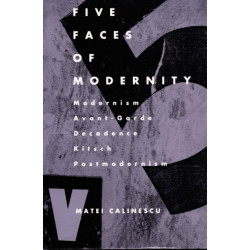
Five Faces of Modernity: Modernism, Avant-garde, Decadence, Kitsch, Postmodernism (Bog, Paperback / softback, Engelsk)Levering: 6 - 9 hverdage
-
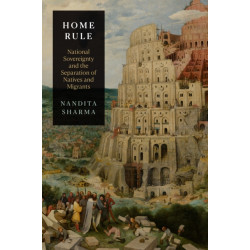
Home Rule: National Sovereignty and the Separation of Natives and Migrants (Bog, Paperback / softback, Engelsk)
Nandita Sharma traces the development of the categories of migrants and natives from the nineteenth century to the present to theorize how the idea of people's rights being tied to geographical notions of belonging came to be.
Levering: 6 - 9 hverdage -
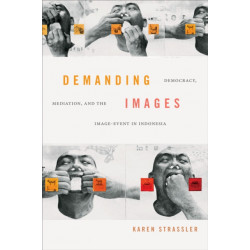
Demanding Images: Democracy, Mediation, and the Image-Event in Indonesia (Bog, Paperback / softback, Engelsk)
In this ethnography of Indonesia's post-authoritarian public sphere, Karen Strassler explores the role of public images as they gave visual form to the ideals, aspirations, and anxieties of democracy.
Levering: 6 - 9 hverdage -
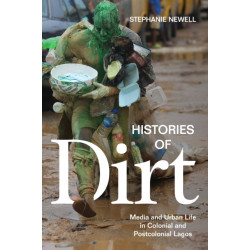
Histories of Dirt: Media and Urban Life in Colonial and Postcolonial Lagos (Bog, Paperback / softback, Engelsk)
Focusing on colonial and postcolonial Lagos, Stephanie Newell traces the ways in which urban spaces come to be regarded as dirty... Læs mere
Levering: 6 - 9 hverdage -
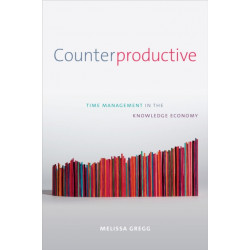
Counterproductive: Time Management in the Knowledge Economy (Bog, Paperback / softback, Engelsk)
Melissa Gregg explores the obsession with using productivity as the primary measure of most workers' sense of value and success in the workplace, showing how it isolates workers from each other while erasing their collective efforts to define work limits.
Levering: 6 - 9 hverdage -
Empowered: Popular Feminism and Popular Misogyny (Bog, Paperback / softback, Engelsk)
Drawing on numerous examples from popular culture, Sarah Banet-Weiser examines the relationship between popular feminism and popular misogyny as it plays... Læs mere
Levering: 6 - 9 hverdage -
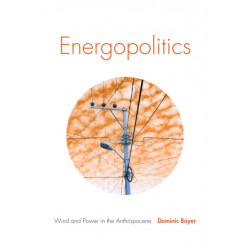
Energopolitics: Wind and Power in the Anthropocene (Bog, Paperback / softback, Engelsk)
Dominic Boyer examines the politics of wind power and how it is shaped by myriad factors—from the legacies of settler colonialism and indigenous resistance to state bureaucracy and corporate investment—while outlining the fundamental impact of energy and fuel on political power.
Levering: 6 - 9 hverdage -
How to Make Art at the End of the World: A Manifesto for Research-Creation (Bog, Paperback / softback, Engelsk)
Natalie Loveless examines the institutionalization of artistic research-creation—a scholarly activity that considers art practices as research methods in their own right—and its significance to North American higher education.
Levering: 6 - 9 hverdage -
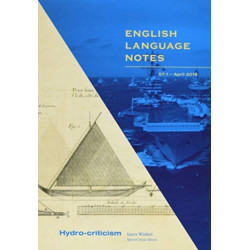
Hydro-criticism (Bog, Paperback / softback, Engelsk)Levering: Skaffevare (forvent 14 - 30 hverdage)
-
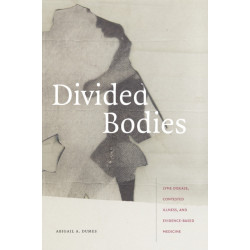
Divided Bodies: Lyme Disease, Contested Illness, and Evidence-Based Medicine (Bog, Paperback / softback, Engelsk)
Abigail A. Dumes offers an ethnographic exploration of the Lyme disease controversy to shed light on the relationship between contested illness and evidence-based medicine in the United States.
Levering: 6 - 9 hverdage -
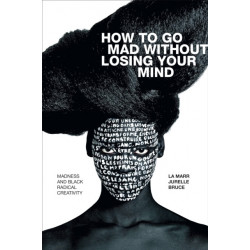
How to Go Mad Without Losing Your Mind: Madness and Black Radical Creativity (Bog, Paperback / softback, Engelsk)
La Marr Jurelle Bruce ponders the presence of “madness” in black literature, music, and performance since the early twentieth... Læs mere
Levering: 6 - 9 hverdage -
Discorrelated Images (Bog, Paperback / softback, Engelsk)
Shane Denson examines the ways in which computer-generated digital images displace and transform the traditional spatial and temporal relationships that viewers had with conventional analog forms of cinema.
Levering: 6 - 9 hverdage