Edinburgh University Press Forlag
-
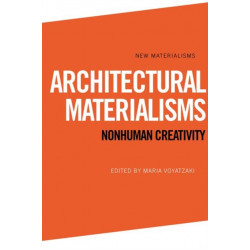
Architectural Materialisms: Nonhuman Creativity (Bog, Hardback, Engelsk)
This book gathers 14 architects, designers, performing artists, film makers, media theorists, philosophers, mathematicians and programmers. They all argue that matter in contemporary posthuman times has to be rethought in its rich internal dynamism and its multifaceted context.
Levering: Skaffevare (forvent 14 - 30 hverdage) -
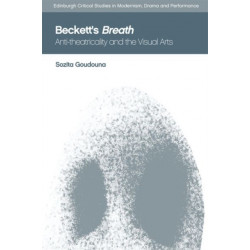
Beckett's Breath: Anti-Theatricality and the Visual Arts (Bog, Hardback, Engelsk)
This book attends to fifty breath-related artworks (including sculpture, painting, new media, sound art, performance art) and contextualises Beckett's Breath within the intermedial and high-modernist discourse.
Levering: Skaffevare (forvent 14 - 30 hverdage) -
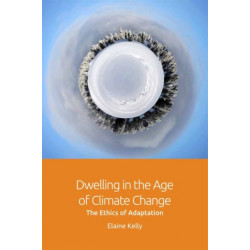
Dwelling in the Age of Climate Change: The Ethics of Adaptation (Bog, Hardback, Engelsk)
Currently, adaptation policy for climate change prioritises economic and technological dimensions of governance and action. Now, Elaine... Læs mere
Levering: Skaffevare (forvent 14 - 30 hverdage) -
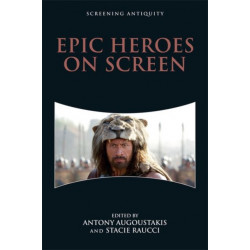
Epic Heroes on Screen (Bog, Hardback, Engelsk)
Since 2000, numerous heroes of the ancient world have appeared on film and TV, from the mythical Hercules to leaders of the Greek and Roman worlds. This collection brings together... Læs mere
Levering: Skaffevare (forvent 14 - 30 hverdage) -
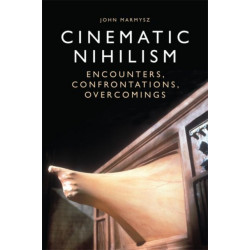
Cinematic Nihilism: Encounters, Confrontations, Overcomings (Bog, Hardback, Engelsk)
Through case studies of popular films, including Prometheus, The Dark Knight Rises, Dawn of the Dead and The Human Centipede, this book re-emphasises the constructive potential of cinematic nihilism.
Levering: 6 - 9 hverdage -
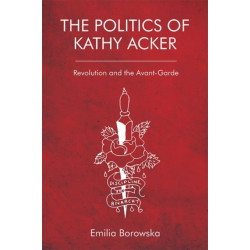
The Politics of Kathy Acker: Revolution and the Avant-Garde (Bog, Hardback, Engelsk)
This study boldly argues for Acker’s revolutionary significance. It situates her within a historical avant-garde and examines how she took moments and movements from modern history, including the Paris Commune, Russian Nihilists and the global revolts of the 1960s.
Levering: Skaffevare (forvent 14 - 30 hverdage) -
Anthropocene Religion: Rethinking Nature, Humanity and Divinity Amid Climate Catastrophe (Bog, Hardback, Engelsk)
Offers a constructive, philosophical approach to religion informed by environmental philosophy, one that is neither dismissive of religion nor apologetic.
Levering: 6 - 9 hverdage -
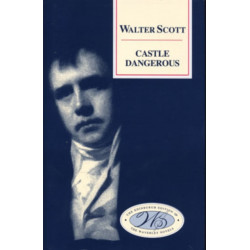
Castle Dangerous (Bog, Hardback, Engelsk)
Castle Dangerous is the realisation of a thirty-year old project of Scott’s to retell a story found in Barbour’s Brus.
Status: Skaffevare (forvent 3 - 8 uger) -
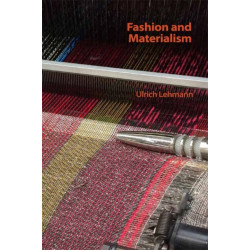
Fashion and Materialism (Bog, Hardback, Engelsk)
Ulrich Lehmann brings together methods and ideas from social sciences and material production to give us a new political reading of fashion in today’s post-democracy. Accessing... Læs mere
Levering: 6 - 9 hverdage -
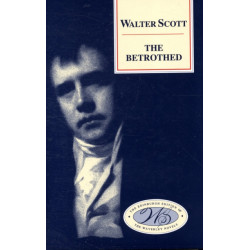
The Betrothed (Bog, Hardback, Engelsk)
The Betrothed is set at the time of the Third Crusade (1189–92) and is the first of Scott’s Tales of the Crusaders.
Levering: Skaffevare (forvent 14 - 30 hverdage) -
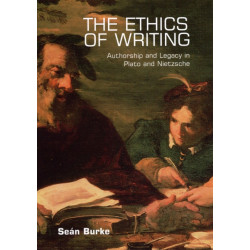
The Ethics of Writing: Authorship and Legacy in Plato and Nietzsche (Bog, Hardback, Engelsk)
The ethical question is the question of our times. Within critical theory, it has focused on the act of reading. This original and courageous study reverses the terms of inquiry to analyse the ethical composition of the act of writing.
Levering: Skaffevare (forvent 14 - 30 hverdage) -
Dissenting Histories: Religious Division and the Politics of Memory in Eighteenth-Century England (Bog, Hardback, Engelsk)
This book provides a rich and empirically grounded account of relations between religious dissent, historical writing, public memory and political identity in eighteenth-century England.
Levering: Skaffevare (forvent 14 - 30 hverdage)