Der er 51+ underkategorier
- Krimi
- Børnebøger
- Skønlitteratur og relaterede emner
- Biografier, litteratur og litteraturstudier
- Kunst og kultur
- Samfund og samfundsvidenskab
- Økonomi, finans, erhvervsliv og ledelse
- Filosofi og religion
- Sundhed, relationer og personlig udvikling
- Livsstil, hobby og fritid
- Graphic novels, tegneserier, vittighedstegninger
- Børnebøger, ungdomsbøger og undervisningsmidler
 for at udvide
kategorilisten.
for at udvide
kategorilisten.
- Album
- Årspublikationer
- Billed- og papbøger
- Biografier, litteratur og litteraturstudier
- Børne- og ungdomsbøger
-
Børnebøger, ungdomsbøger og undervisningsmidler
- Bøger for de helt små børn, billedbøger, aktivitetsbøger
- Børn og unge: opslagsværker
- Børn og unge: papirvarer og andet materiale
- Børn og unge: personlige og sociale spørgsmål
- Børn og unge: poesi, antologier, årbøger
- Fagbøger for børn og unge: generel faglitteratur
- Skønlitteratur for børn og unge
- Undervisningsmidler
-
Databehandling og informationsteknologi
- Anvendt databehandling
- Computere og hardware
- Databaser
- Datakommunikation og computernetværk
- Datasikkerhed
- Digital livsstil
- Grafisk IT og digitale medier
- Informatik
- Informationsteknologi: generelle emner
- IT-certificering
- Operativsystemer
- Praktisk brug af informationsteknologi
- Programmering / softwareudvikling
- Virksomhedssoftware
- Diverse sprog
- Erhverv
- Filosofi og religion
- Geofag, geografi og miljøvidenskab
- Graphic novels, tegneserier, vittighedstegninger
- Historie og arkæologi
- Hobby
- Hus, have og husdyr
- Idræt og udendørsaktiviteter
- Jura
- Krop og sind
- Kultur
- Kunst og kultur
-
Kvalifikator for aldersniveau og interesser
- Alderstrin / læseniveau
- Beregnet for specifikke målgrupper
- Højtider, begivenheder og årstider
- Indeholder eksplicit materiale
- Litteratur fra et land, et territorium eller en region (bruges IKKE til setting)
- Relateret til livets faser
- Relateret til specifikke grupper og kulturer
- Særlige aspekter af indholdet
- Kvalifikatorer: geografi
-
Kvalifikatorer: stilretninger
- Stilarter (B)
- Stilarter (C)
- Stilarter (D)
- Stilarter (E)
- Stilarter (F)
- Stilarter (G)
- Stilarter (H)
- Stilarter (I, J)
- Stilarter (K)
- Stilarter (L)
- Stilarter (M)
- Stilarter (N, O)
- Stilarter (P)
- Stilarter (Q)
- Stilarter (R)
- Stilarter (S)
- Stilarter (T)
- Stilarter (U)
- Stilarter (V)
- Stilarter (W)
- Stilarter (X, Y, Z)
- Stilarter(A)
- Kvalifikatorer: tidsperiode
- Kvalifikatorer: Uddannelse og uddannelsesniveauer
-
Livsstil, hobby og fritid
- Antikviteter og samleobjekter
- Diverse produkter
- Havearbejde
- Hjemmet og vedligeholdelse af huset
- Hobbyer, quiz og spil
- Humor
- Husflid, kunsthåndværk og håndarbejde
- Livsstil og personligt udseende: Guides
- Lokalhistorie og slægtshistorie
- Mad og drikke osv.
- Natur: for alment interesserede læsere
- Rejser og ferie
- Transport: for alment interesserede
- Lægevidenskab og sygepleje
- Mad og vin
- Matematik og naturvidenskab
- Multimedia og software
- Musik og lydbøger
- Naturen
- Naturvidenskab
- Ordbøger
- Paperbacks
- Papir og blokke
- Reference, information og tværfaglige emner
- Rejse og geografi
- Samfund
- Samfund og samfundsvidenskab
- Skole- og lærebøger
-
Skønlitteratur og relaterede emner
- Biografisk skønlitteratur
- Bøger om bøger
- Erotisk skønlitteratur
- Familieromaner
- Fantasy
- Gysere
- Historiske romaner
- Humoristiske romaner
- Krimier og mysterier
- Livsstilslitteratur
- Myter og legender fortalt som skønlitteratur
- Religiøs og spirituel skønlitteratur
- Romantisk skønlitteratur
- Science fiction
- Skønlitteratur: generelt
- Skønlitteratur: narrative temaer
- Skønlitteratur: specielle litterære former
- Slægtsromaner
- Spekulativ skønlitteratur
- Sport
- Spændingslitteratur
- Thrillere / spændingsromaner
- Skønlitteratur på dansk
- Sport
- Sprog og lingvistik
-
Sprogkvalifikatorer
- Afrikanske sprog
- Afroasiatiske sprog
- Amerikanske urfolks sprog
- Emojis
- Indiske, østindoeuropæiske og dravidiske sprog
- Indoeuropæiske sprog
- Oceanesiske- og austronesiske sprog
- Punktskrift og andre taktile alfabeter
- Sign / Signed languages
- Uralske sprog, altaiske sprog, palæosibiriske sprog
- Øst- og sydøstasiatiske sprog
- Øvrige sprog
- Sundhed, relationer og personlig udvikling
- Tegneserier og blade
-
Teknologi, ingeniørvidenskab og landbrug
- Anden anvendt videnskab og teknologi
- Biokemisk teknik
- Byggeteknik, landmåling og byggeri
- Elektronik og kommunikationsteknik
- Energiteknik
- Industriel kemi og produktionsteknologi
- Landbrug og havbrug
- Maskinteknik og materialer
- Miljøvidenskab, miljøteknik og miljøteknologi
- Teknologi: generelle emner
- Transportteknologi og transporterhverv
- Værker
- Økonomi, finans, erhvervsliv og ledelse
Bøger
Kategori: Bøger

-
Oeuvres completes: Series 2 (Bog, Paperback / softback, Fransk)
Baron Cauchy (1789–1857) was the pre-eminent French mathematician of the nineteenth century. He was a pioneer in real analysis, the theory of functions of a complex variable,... Læs mere
Levering: Skaffevare (forvent 14 - 30 hverdage) -
Ruslan Russe 1: Une Methode Communicative De Russe Pour Adultes Et Etudiants De Niveaux Debutants (Bog, Paperback / softback, Fransk)Levering: 6 - 9 hverdage
-
-
La naissance des cites-royaumes cypriotes (Bog, Paperback / softback, Fransk)
This book analyses the causes, characteristics and chronology behind the emergence of Iron Age Cypriot city-kingdoms. It suggests the received autochthonous... Læs mere
Levering: 6 - 9 hverdage -
Les Neandertaliens du talon: Technologie lithique et mobilite au Paleolithique moyen dans le Salento (Pouilles, Italie meridionale) (Bog, Paperback / softback, Fransk)
Focussing on the abundant Middle Palaeolithic sites in the Salento region... Læs mere
Levering: 6 - 9 hverdage -
Territoires et ressources des societes neolithiques du Bassin parisien: le cas du Neolithique moyen (4500 – 3800 av. n. e.) (Bog, Paperback / softback, Fransk)
The aim of this book is to study forms of territorial patterning and resource management in the middle Neolithic I and II, between 4500 and 3800 BC in the Paris basin.
Levering: 6 - 9 hverdage -
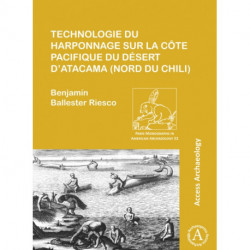
Technologie du harponnage sur la cote Pacifique du desert d’Atacama (nord du Chili) (Bog, Paperback / softback, Fransk)
Throughout the volume the reader will follow a representation of a marine hunter-gatherer society, a projection deriving from one of its iconic and most important material assets, the harpoon.
Levering: 6 - 9 hverdage -
Water as a morphogen in landscapes/L’eau comme morphogene dans les paysages: Proceedings of the XVII UISPP World Congress (1–7 September 2014, Burgos, Spain) Volume 4/Session A14 (Bog, Paperback / softback, Fransk)
Water as generator of networks was the core topic of the second session organized by the commission Theory and Methods in Landscape Archaeology: Archeogeography that began in 2011 on occasion of the Florianopolis Congress.
Levering: 6 - 9 hverdage -
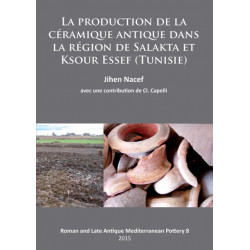
La production de la ceramique antique dans la region de Salakta et Ksour Essef (Tunisie) (Bog, Paperback / softback, Fransk)
This publication provides the most updated information on the ceramic production (amphorae, cooking and coarse wares, ceramic building materials) of Salakta and the Ksour Essef district, in the Sahel region of Tunisia, from the 3rd century BC to the 7th century AD.
Levering: 6 - 9 hverdage -
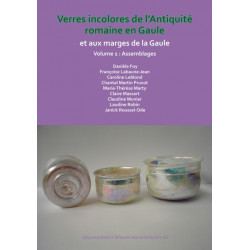
Verres incolores de L’antiquite romaine en Gaule et aux marges de la Gaule (Bog, Paperback / softback, Fransk)
Colourless glass became prominent between the middle of the 1st century AD and the beginning of the 4th century. This book reflects the diversity of glass and is designed as a practical manual divided into three parts: Assemblages, Typological Catalogue, Chemical Analyses.
Levering: 6 - 9 hverdage -
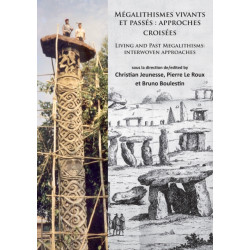
Megalithismes vivants et passes: approches croisees: Living and Past Megalithisms: interwoven approaches (Bog, Paperback / softback, Fransk)
This volume seeks, through both case studies and more synthetic works, to discuss how the patterns drawn from the observation of 'living' megalithic societies have been used to try and shed light on the functioning of European Neolithic societies.
Levering: 6 - 9 hverdage -
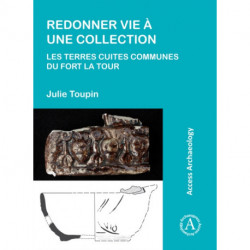
Redonner vie a une collection: les terres cuites communes du fort La Tour (Bog, Paperback / softback, Fransk)
Research on common earthenware from the early 17th century is scarce. This study seeks to bring back to life the ceramics,... Læs mere
Levering: 6 - 9 hverdage