Der er 8+ underkategorier
Arkæologisk videnskab metodologi og teknik
Visning: Type : Alle | Sprog : Alle | Format : Alle

-
Bemærk: Kan ikke leveres før jul.
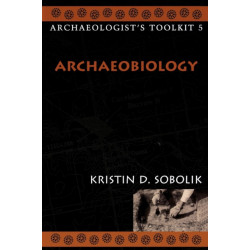
Archaeobiology (Bog, Paperback / softback, Engelsk)An introduction to the study of biological, osteological, and botanical remains on archaeological sites.
Levering: Print on Demand (forvent 14 - 30 hverdage) -
Bemærk: Kan ikke leveres før jul.
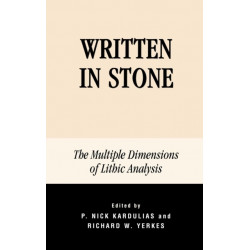
Written in Stone: The Multiple Dimensions of Lithic Analysis (Bog, Hardback, Engelsk)Written in Stone: The Multiple Dimensions of Lithic Analysis demonstrates the vitality of contemporary lithics analysis by examining material from a variety of geographical locations.
Levering: Print on Demand (forvent 14 - 30 hverdage) -
Bemærk: Kan ikke leveres før jul.
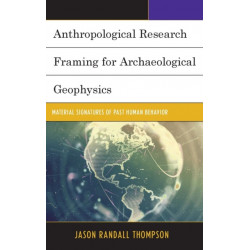
Anthropological Research Framing for Archaeological Geophysics: Material Signatures of Past Human Behavior (Bog, Hardback, Engelsk)Anthropological Research Framing for Archaeological Geophysics addresses the gap between humanistic anthropological archaeology and geophysical archaeology. It initiates and invites professional dialogue toward providing archaeological geophysics with anthropological premises.
Levering: Print on Demand (forvent 14 - 30 hverdage) -
Bemærk: Kan ikke leveres før jul.
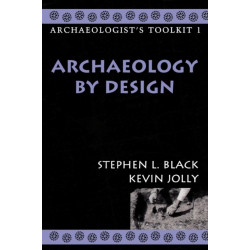
Archaeology by Design (Bog, Paperback / softback, Engelsk)Introduction to designing an archaeological project, in both academic and contract contexts.
Levering: Print on Demand (forvent 14 - 30 hverdage) -
Bemærk: Kan ikke leveres før jul.
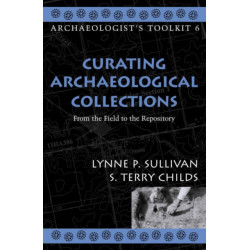
Curating Archaeological Collections: From the Field to the Repository (Bog, Paperback / softback, Engelsk)Introduction to curation and preservation of archaeological materials.
Levering: Print on Demand (forvent 14 - 30 hverdage) -
Bemærk: Kan ikke leveres før jul.
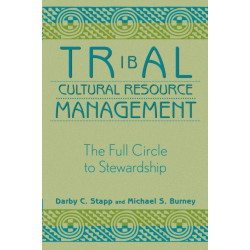
Tribal Cultural Resource Management: The Full Circle to Stewardship (Bog, Paperback / softback, Engelsk)The entrance of Native Americans into the world of cultural resource management is forcing a change in the traditional paradigms that... Læs mere
Levering: Print on Demand (forvent 14 - 30 hverdage) -
Bemærk: Kan ikke leveres før jul.
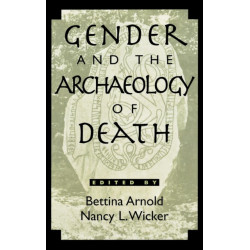
Gender and the Archaeology of Death (Bog, Hardback, Engelsk)Edited volume on what archaeological mortuary analysis can tell researchers about gender relations in the ancient world.
Levering: Print on Demand (forvent 14 - 30 hverdage) -
Bemærk: Kan ikke leveres før jul.
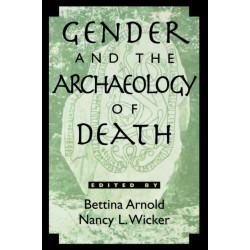
Gender and the Archaeology of Death (Bog, Paperback / softback, Engelsk)Edited volume on what archaeological mortuary analysis can tell researchers about gender relations in the ancient world.
Levering: Print on Demand (forvent 14 - 30 hverdage) -
Bemærk: Kan ikke leveres før jul.
Archaeobiology (Bog, Hardback, Engelsk)An introduction to the study of biological, osteological, and botanical remains on archaeological sites.
Levering: Print on Demand (forvent 14 - 30 hverdage) -
Bemærk: Kan ikke leveres før jul.
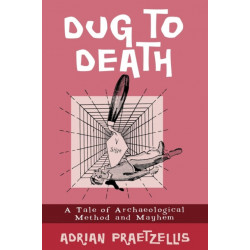
Dug to Death: A Tale of Archaeological Method and Mayhem (Bog, Paperback / softback, Engelsk)Hannah Green has been asked to manage a contract archaeology project and needs to teach her team about research design, survey methods, archival... Læs mere
Levering: Print on Demand (forvent 14 - 30 hverdage) -
Bemærk: Kan ikke leveres før jul.
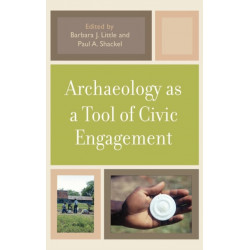
Archaeology as a Tool of Civic Engagement (Bog, Hardback, Engelsk)Little and Shackel use case studies from different regions across the world to challenge archaeologists to create an ethical public archaeology that is concerned not just with the management of cultural resources, but with social justice and civic responsibility.
Levering: Print on Demand (forvent 14 - 30 hverdage) -
Bemærk: Kan ikke leveres før jul.
Archaeology as a Tool of Civic Engagement (Bog, Paperback / softback, Engelsk)Little and Shackel use case studies from different regions across the world to challenge archaeologists to create an ethical public archaeology that is concerned not just with the management of cultural resources, but with social justice and civic responsibility.
Levering: Print on Demand (forvent 14 - 30 hverdage)