Bertrand Russell Forfatter
-
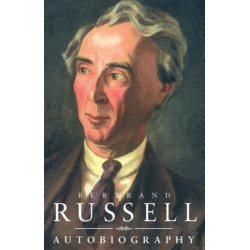
The Autobiography of Bertrand Russell (Bog, Paperback / softback, Engelsk)
Bertrand Russell was one of the most influential figures of the 20th century and his autobiography is one of the most compelling and vivid ever written. This compact paperback edition contains an introduction by Michael Foot.
Levering: 6 - 9 hverdage -
What I Believe (Bog, Paperback / softback, Engelsk)
A remarkable work, What I Believe remains the best concise introduction to Russell's thought.
Levering: 6 - 9 hverdage -
Authority and the Individual (Bog, Paperback / softback, Engelsk)
The first of his famous BBC Reith lectures in which Russell examines Ancient Greek philosophy, the French Revolution and the modern welfare state with characteristic clarity and deep understanding. This is Russell at his intellectual best.
Levering: 6 - 9 hverdage -
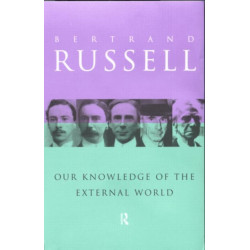
Our Knowledge of the External World (Bog, Paperback / softback, Engelsk)
The very relevance and legitimacy of philosophy is examined in this explosive and controversial work which investigates the relationship between ‘individual’ and ‘scientific’ knowledge, and questions the means by which we come to understand the physical world.
Levering: 6 - 9 hverdage -
Freedom and Organization (Bog, Paperback / softback, Engelsk)
Written in the approachable style that has made Russell’s works so revered, this is a major work of political history in which significant economic and political forces and events that shaped the nineteenth century are examined.
Levering: 6 - 9 hverdage -
The Philosophy of Logical Atomism (Bog, Paperback / softback, Engelsk)
Taken from a series of influential lectures delivered by Russell during the second decade of the twentieth century, this is a brilliant introduction to logical atomism and its application to ontology and epistemology.
Levering: 6 - 9 hverdage -
Mortals and Others (Bog, Paperback / softback, Engelsk)
Available for the first time in the Routledge Classics series in a single volume, this pithy, provocative and often-personal collection of essays brings together the very best of... Læs mere
Levering: 6 - 9 hverdage -
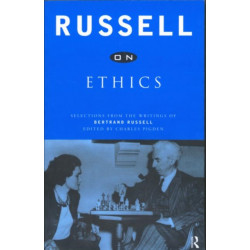
Russell on Ethics: Selections from the Writings of Bertrand Russell (Bog, Paperback / softback, Engelsk)
Charles Pigden provides an accessible introduction to Russell's writings within the field of ethics as a whole by analyzing their arguments and exploring their relevance to current concerns.
Levering: Skaffevare (forvent 14 - 30 hverdage) -
Our Knowledge of the External World: As a Field for Scientific Method in Philosophy (Bog, Paperback / softback, Engelsk)
This is Bertrand Russell's classic attempt to show by means of examples, the nature, capacity and limitations of the logico-analytical method in philosophy.
Levering: Skaffevare (forvent 14 - 30 hverdage) -
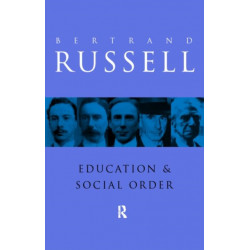
Education and the Social Order (Bog, Paperback / softback, Engelsk)
Described by reviewers as 'brilliant', 'proactive', 'sane', 'stimulating', 'practical', and 'original', this book contains the essence of Russell's thought on education and society.
Levering: Skaffevare (forvent 14 - 30 hverdage) -
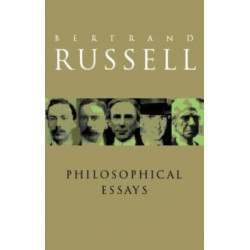
Philosophical Essays (Bog, Paperback / softback, Engelsk)
Now available for the first time in paperback, this collection of essays display all of Russell's clarity, incisiveness and brilliance of exposition, particularly on matters of ethics and the nature of truth.
Levering: Skaffevare (forvent 14 - 30 hverdage) -
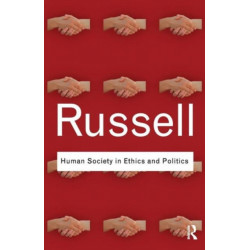
Human Society in Ethics and Politics (Bog, Paperback / softback, Engelsk)
Ethics are necessary because of the conflict between intelligence and impulse – if one were without the other, there would be no place for ethics. This is Russell’s account of his political position and an absorbing exploration of the ways individuals become socially purposeful.
Levering: 6 - 9 hverdage