Euripides Forfatter
-
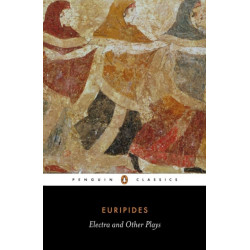
Electra and Other Plays (Bog, Paperback / softback, Engelsk)
Deals with the aftermath of the Trojan War for the defeated survivors, as Andromache shows Hector's widow as a trophy of war in the house of her Greek captor, and Hecabe portrays a defeated queen avenging the murder of her last-remaining son.
Levering: 6 - 9 hverdage -
-
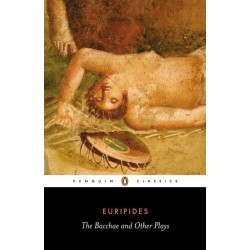
The Bacchae and Other Plays (Bog, Paperback / softback, Engelsk)
Covers such plays as: "Phoenician Women", "Orestes", "Bacchae", "Iphigenia at Aulis", and the "Rhesus".
Levering: 6 - 9 hverdage -
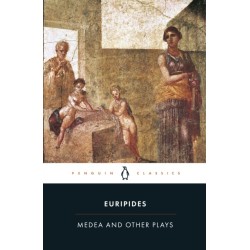
Medea and Other Plays (Bog, Paperback / softback, Engelsk)
An accessible prose translation that is accompanied by a general introduction and individual prefaces to each play.
Levering: 6 - 9 hverdage -
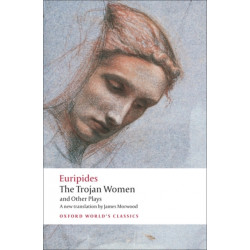
The Trojan Women and Other Plays (Bog, Paperback / softback, Engelsk)
First published as an Oxford's Classics paperback: 2001.
Levering: 6 - 9 hverdage -
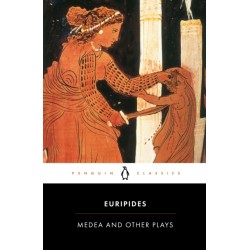
Medea and Other Plays (Bog, Paperback / softback, Engelsk)
Features four tragedies, all of which focus on a central character, once powerful, brought down by betrayal, jealousy, guilt and hatred.
Levering: 6 - 9 hverdage -
-
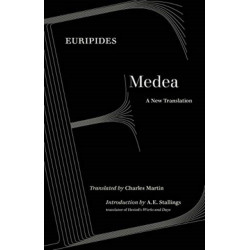
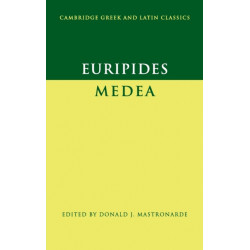
Euripides: Medea (Bog, Paperback / softback, Engelsk)
Medea was the most famous play of the Athenian tragedian Euripides. This edition helps students and others experience a classic drama as they work through the process of careful... Læs mere
Levering: Skaffevare (forvent 14 - 30 hverdage) -
Euripides II: Andromache, Hecuba, The Suppliant Women, Electra (Bog, Paperback / softback, Engelsk)
Offers translations of Euripides' "Medea", "The Children of Heracles", "Andromache", and "Iphigenia among the Taurians", fragments of lost plays... Læs mere
Levering: 6 - 9 hverdage -
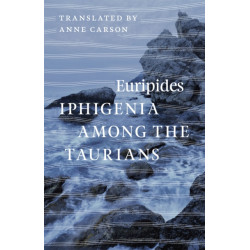
Iphigenia among the Taurians (Bog, Paperback / softback, Engelsk)
Few contemporary poets elicit such powerful responses from readers and critics as the author. The New York Times Book Review calls her work "personal, necessary, and important," while Publishers Weekly say she is "nothing less than brilliant." This book deals with her works.
Levering: 6 - 9 hverdage -
Fragments, Volume II: Oedipus–Chrysippus. Other Fragments (Bog, Hardback, Engelsk)
Euripides (ca. 485–406 BC) has been prized in every age for his emotional and intellectual drama. Eighteen of his ninety or so plays survive complete,... Læs mere
Levering: 6 - 9 hverdage -
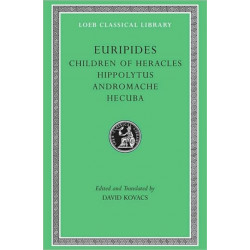
Children of Heracles. Hippolytus. Andromache. Hecuba (Bog, Hardback, Engelsk)
Euripides (ca. 485–406 BC) has been prized in every age for his emotional and intellectual drama. Eighteen of his ninety or so plays survive complete,... Læs mere
Levering: 6 - 9 hverdage