H. G. Wells Forfatter
-
-
The Invisible Man (Bog, Paperback / softback, Engelsk)
H.G. Wells's novel is put in its varied scientific, literary, and political contexts in this new edition.
Levering: 6 - 9 hverdage -
The Time Machine: A Norton Critical Edition (Bog, Paperback / softback, Engelsk)
The Time Machine (1895) is H. G. Wells’s first published novel as well as his most enduring and influential work.
Levering: Skaffevare (forvent 14 - 30 hverdage) -
The THE INVISIBLE MAN (Bog, Paperback / softback, Engelsk)
H.G. Wells' great novel of the dangers of science describes a man cast out from society by his own terrifying discovery, introduction by Adam Roberts.
Levering: 6 - 9 hverdage -
The First Men in the Moon (Bog, Paperback / softback, Engelsk)
At the village of Lympne, on the south coast of England, the failed playwright Mr Bedford meets the brilliant inventor Mr Cavor, and together they invade the moon. The First Men... Læs mere
Levering: 6 - 9 hverdage -
The Rights of Man (Bog, Paperback / softback, Engelsk)
Sets some ideas instrumental in the creation of the UN's Universal Declaration of Human Rights, the EU's European Convention on Human Rights and the UK's Human Rights Act.
Levering: Skaffevare (forvent 14 - 30 hverdage) -
The War of the Worlds (Bog, Paperback / softback, Engelsk)
HarperCollins is proud to present its incredible range of best-loved, essential classics.
Levering: 6 - 9 hverdage -
Kipps (Bog, Paperback / softback, Engelsk)
Orphaned at an early age, raised by his aunt and uncle, and apprenticed for seven years to a draper, Artie Kipps is stunned to discover upon reading a newspaper advertisement that he is the grandson of a wealthy gentleman and the inheritor of his fortune.
Levering: 6 - 9 hverdage -
War of the Worlds: GCSE 9-1 Set Text Student Edition (Bog, Paperback / softback, Engelsk)
Exam board: OCR, Eduqas Level & Subject: GCSE English Literature Next exams: 2026
Levering: 6 - 9 hverdage -
The Shape Of Things To Come (Bog, Paperback / softback, Engelsk)
A prescient look at mankind's future from the greatest science fiction writer of them all.
Levering: 6 - 9 hverdage -
The Invisible Man (Bog, Paperback / softback, Engelsk)
The stranger arrives early in February, one wintry day, through a biting wind and a driving snow. He is wrapped up from head to foot, and the brim of his hat hides every inch of his... Læs mere
Levering: 6 - 9 hverdage -
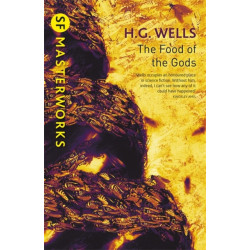
The Food of the Gods (Bog, Paperback / softback, Engelsk)
Wells' classic story of unchecked scientific progress and unforseen consequences, with an introduction by Adam Roberts.
Levering: 6 - 9 hverdage