
Aarhus Universitetsforlag Forlag

Aarhus Universitetsforlag er Danmarks største universitetsforlag og fungerer som et moderne videnshus i konstant udvikling. Forlaget formidler forskningsbaseret viden både til den brede offentlighed og til forskningsmiljøer globalt. De udgiver bøger i både trykt og digital form og er medejer af Videnslyd, der producerer radioudsendelser og podcasts om videnskab. En vigtig samarbejdspartner er Folkeuniversitetet, som afholder forelæsninger og arrangementer, der gør forskning tilgængelig for et bredt publikum.
Forlaget har global rækkevidde gennem samarbejde med anerkendte distributionspartnere som Ingram, Project Muse og JSTOR, hvilket sikrer, at deres publikationer når forskningsbiblioteker og kommercielle kanaler verden over. Aarhus Universitetsforlag er 100 % ejet af Aarhus Universitets Forskningsfond og arbejder på et non-profit grundlag. De fleste udgivelser er delvis finansieret gennem eksterne midler, med støtte fra diverse fonde og institutioner.
Forlaget lægger stor vægt på kvalitet i både indhold og design, og arbejder derfor med de bedste grafikere og bogtrykkere. De fokuserer også på bæredygtighed ved at reducere CO2-udledningen fra bogproduktion. Aarhus Universitetsforlag, grundlagt i 1985, er kendt for bestselleren Tænkepauser samt prisvindende serier som "Vide Verden" og 100 Danmarkshistorier.
-
 PRIS172,- krLevering: Straks (Leveres på e-mail)Carl Nielsen: A Cultural Biography (Ebog, pdf, Engelsk)
Carl Nielsen (1865–1931) occupies a prominent place among the European modern composers of the early twentieth century, representing the generation of Richard Strauss, Ferruccio Busoni,... Læs mere
PRIS172,- krLevering: Straks (Leveres på e-mail) -
 PRIS259,- krLevering: Straks (Leveres på e-mail)Thomas Bartholin: Physician and Anatomist (Ebog, pdf, Engelsk)
The Danish physician and anatomist Thomas Bartholin (1616–1680) was one of the most diligent communicators of scientific knowledge of his time. He is famous for his discovery and naming... Læs mere
PRIS259,- krLevering: Straks (Leveres på e-mail) -
 PRIS172,- krLevering: Straks (Leveres på e-mail)Seconds to Midnight: A History of Nuclear Weapons (Ebog, pdf, Engelsk)
Seconds to Midnight is a concise history of nuclear weapons, tracing their development from the scientific breakthroughs of the 1930s to the Cold War arms race between East and West,... Læs mere
PRIS172,- krLevering: Straks (Leveres på e-mail) -
 PRIS138,- krLevering: Straks (Leveres på e-mail)Plant Fever: The World on the Windowsill (Ebog, pdf, Engelsk)
"Plant Fever. The World on the Windowsill" uncovers the hidden story of how plants from tropical and subtropical regions found their way into Danish homes in the 19th century. Plant fever... Læs mere
PRIS138,- krLevering: Straks (Leveres på e-mail) -
 PRIS63,- krLevering: Straks (Leveres på e-mail)Urban Planning in the Nordic World (Ebog, pdf, Engelsk)
Urban planning was a keystone in the materialization of the Nordic welfare states. The post-war urban landscape was characterized by division of functions and its open... Læs mere
PRIS63,- krLevering: Straks (Leveres på e-mail) -
 PRIS63,- krLevering: Straks (Leveres på e-mail)Energy in the Nordic World (Ebog, pdf, Engelsk)
In high-income countries, energy is foundational for industry, daily living, transportation, entertainment, and more. But, like other critical resources, it is limited and the... Læs mere
PRIS63,- krLevering: Straks (Leveres på e-mail) -
 PRIS63,- krLevering: Straks (Leveres på e-mail)Economic Performance in the Nordic World (Ebog, pdf, Engelsk)
The Nordic model rests on two pillars: the social safety net and the provision of services like education, childcare, and healthcare for all. It can also be... Læs mere
PRIS63,- krLevering: Straks (Leveres på e-mail) -
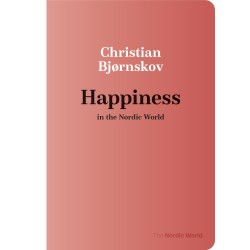 PRIS63,- krLevering: Straks (Leveres på e-mail)Happiness in the Nordic World (Ebog, pdf, Engelsk)
Many experts attribute the Nordic region’s high levels of happiness to factors such as greater relative national wealth, wellfunctioning institutions, or the welfare state... Læs mere
PRIS63,- krLevering: Straks (Leveres på e-mail) -
 PRIS63,- krLevering: Straks (Leveres på e-mail)Consensual Policy-Making in the Nordic World (Ebog, pdf, Engelsk)
This book examines consensual policy-making in the Scandinavian countries and shows how strong relations were built between the state and different interest... Læs mere
PRIS63,- krLevering: Straks (Leveres på e-mail) -
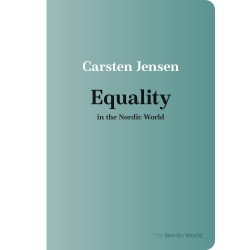 PRIS63,- krLevering: Straks (Leveres på e-mail)Equality in the Nordic World (Ebog, pdf, Engelsk)
By most measures, the Nordic countries regularly rank among the best in terms of equality and business friendliness. Political scientist Carsten Jensen delves into what is... Læs mere
PRIS63,- krLevering: Straks (Leveres på e-mail) -
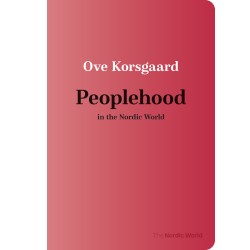 PRIS63,- krLevering: Straks (Leveres på e-mail)Peoplehood in the Nordic World (Ebog, pdf, Engelsk)
What do we mean when we say "the people"? In a Nordic context, the word "people" was historically associated not with members of a sovereign nation but of a household,... Læs mere
PRIS63,- krLevering: Straks (Leveres på e-mail) -
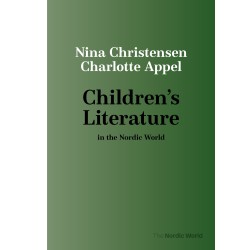 PRIS63,- krLevering: Straks (Leveres på e-mail)Children’s Literature in the Nordic World (Ebog, pdf, Engelsk)
Nordic children’s books and media have changed greatly over the past 250 years. Form and content, materiality, concepts of childhood, and media technologies have... Læs mere
PRIS63,- krLevering: Straks (Leveres på e-mail)