Baker Publishing Group Forlag
-
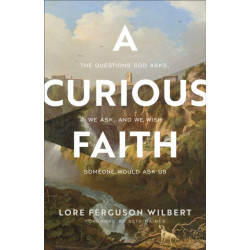
A Curious Faith – The Questions God Asks, We Ask, and We Wish Someone Would Ask Us: The Questions God Asks, We Ask, and We Wish Someone Would Ask Us (Bog, Paperback / softback, Engelsk)
A popular writer shows that the Bible is a permission slip to anyone who wants to ask questions--it is full of questions from God, to God, and among humans.
Levering: 6 - 9 hverdage -
Silencing White Noise – Six Practices to Overcome Our Inaction on Race: Six Practices to Overcome Our Inaction on Race (Bog, Paperback / softback, Engelsk)
A prominent faith leader calls people of all racial backgrounds to engage six "rhythms of reparative intercession" to silence white... Læs mere
Levering: Skaffevare (forvent 14 - 30 hverdage) -
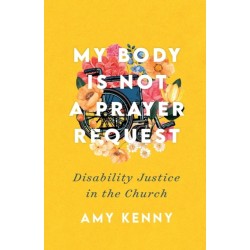
My Body Is Not a Prayer Request – Disability Justice in the Church: Disability Justice in the Church (Bog, Paperback / softback, Engelsk)
A disabled Christian reflects on her myriad experiences inside the church to expose unintentional ableism and cast a new vision for Christian communities to engage disability justice.
Levering: 6 - 9 hverdage -
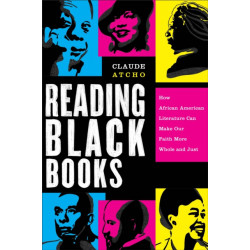
Reading Black Books – How African American Literature Can Make Our Faith More Whole and Just: How African American Literature Can Make Our Faith More Whole and Just (Bog, Paperback / softback, Engelsk)
A pastor and teacher demonstrates how Black experience, as shown in the literature of great African American writers, can guide us all toward sharper theological thinking and more faithful living.
Levering: 6 - 9 hverdage -
Celebrities for Jesus – How Personas, Platforms, and Profits Are Hurting the Church: How Personas, Platforms, and Profits Are Hurting the Church (Bog, Hardback, Engelsk)
An award-winning writer shows how and why celebrity is woven into the fabric of the evangelical movement, identifies many... Læs mere
Levering: 6 - 9 hverdage -
A Christian Theology of Science – Reimagining a Theological Vision of Natural Knowledge: Reimagining a Theological Vision of Natural Knowledge (Bog, Paperback / softback, Engelsk)
Reframes the discussion between Christian theology and contemporary science, arguing that it is good both for religion and for science when Christians treat theology as their first truth discourse.
Levering: 6 - 9 hverdage -
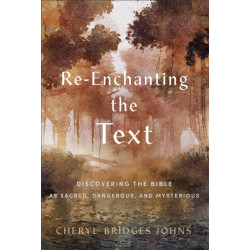
Re–enchanting the Text – Discovering the Bible as Sacred, Dangerous, and Mysterious: Discovering the Bible as Sacred, Dangerous, and Mysterious (Bog, Paperback / softback, Engelsk)
In an age when the Bible has been stripped of its sacredness and mystery and functional biblical illiteracy reigns, this book makes the case that we must work to re-enchant the text in order to return the Bible to its rightful place in the lives of Christians.
Levering: 6 - 9 hverdage -
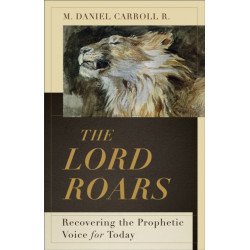
The Lord Roars – Recovering the Prophetic Voice for Today: Recovering the Prophetic Voice for Today (Bog, Hardback, Engelsk)
The world today cries out for a prophetic word to the chaos, unrest, and destructiveness of our times. A leading Old Testament ethicist highlights three key ethical concerns of the Old Testament prophets--justice, worship, and hope--and shows how they can speak into our world.
Levering: Skaffevare (forvent 14 - 30 hverdage) -
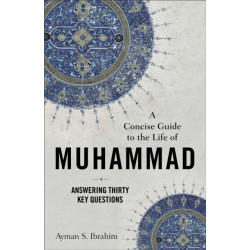
A Concise Guide to the Life of Muhammad – Answering Thirty Key Questions: Answering Thirty Key Questions (Bog, Paperback / softback, Engelsk)
An expert in the study of Islam answers thirty common questions about Muhammad, offering a clear and concise guide to his life and religious significance.
Levering: 6 - 9 hverdage -
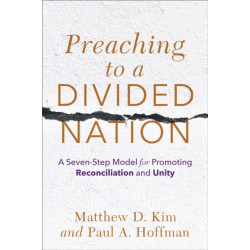
Preaching to a Divided Nation – A Seven–Step Model for Promoting Reconciliation and Unity: A Seven-Step Model for Promoting Reconciliation and Unity (Bog, Paperback / softback, Engelsk)
During a time of division and polarization, this book equips faithful pastors to cultivate reconciliation and unity in their churches through their preaching.
Levering: Skaffevare (forvent 14 - 30 hverdage) -
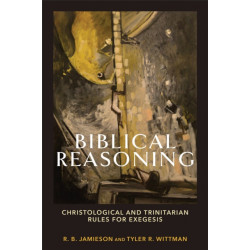
Biblical Reasoning – Christological and Trinitarian Rules for Exegesis: Christological and Trinitarian Rules for Exegesis (Bog, Paperback / softback, Engelsk)
Two experts in exegesis and dogmatics show how Christology and the doctrine of the Trinity are grounded in Scripture and how knowledge of these topics is critical for exegesis.
Levering: 6 - 9 hverdage -
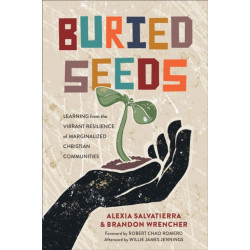
Buried Seeds – Learning from the Vibrant Resilience of Marginalized Christian Communities: Learning from the Vibrant Resilience of Marginalized Christian Communities (Bog, Paperback / softback, Engelsk)
Shows how two overlooked ministry models--the base ecclesial communities of the Global South in the late twentieth century and the hush harbors of the US antebellum South--can provide wisdom and strategies for the twenty-first-century church and contemporary social movements.
Levering: Skaffevare (forvent 14 - 30 hverdage)