Green Magic Publishing Forlag
Visning: Type : Alle | Sprog : Engelsk | Format : Paperback / softback Der vises kun varer på engelsk
-
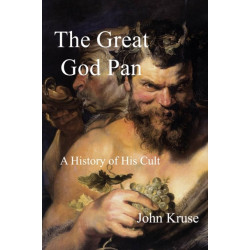
The Great God Pan (Bog, Paperback / softback, Engelsk)
The revived cult of Pan recognizes him as the god of fields, groves and wooded glens. This connects him to fertility and the season of spring, with his entourage of fauns and satyrs pursuing and copulating with woodland nymphs.
Levering: 6 - 9 hverdage -
British Pixies (Bog, Paperback / softback, Engelsk)
Analysis of British Pixies History
Levering: 6 - 9 hverdage -
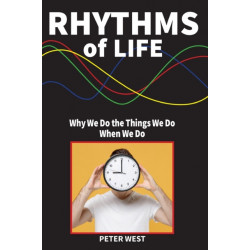
Rhythms Of Life: Why We Do What We Do When We Do (Bog, Paperback / softback, Engelsk)
A fresh look at our behavioural patterns and our rhythms and cycles. Why we do the things we do when we do.
Levering: 6 - 9 hverdage -
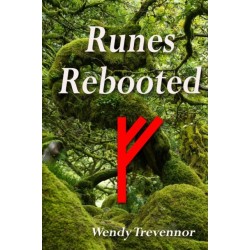
Runes Rebooted (Bog, Paperback / softback, Engelsk)
A Fresh look at Runes in the Tech Age
Levering: 6 - 9 hverdage -
How Things Work in Faery (Bog, Paperback / softback, Engelsk)
This book pulls together everything we know about how things work in Faery. The information is scattered across many narratives, but once it is assembled, we discover we have a... Læs mere
Levering: 6 - 9 hverdage -
The Faery Lifecycle (Bog, Paperback / softback, Engelsk)
A text that looks at the actual physicality of fairies- their anatomies, physiologies, even their psychology.
Levering: 6 - 9 hverdage -
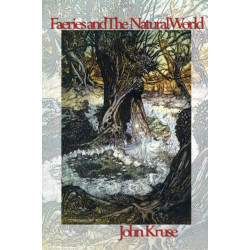
Faeries and The Natural World (Bog, Paperback / softback, Engelsk)
It is an article of faith central to fairy belief today that they are beings intimately connected with nature- they are the elemental spirits, even, of water, air and vegetation. In one form or another this view has long existed.
Levering: 6 - 9 hverdage -
What Maketh The Witch?: The Origin and Evolution of Magical Intent (Bog, Paperback / softback, Engelsk)
A historical overview of Witchery from Summeria to today. Just what exactly is intent, where does it come from, why is it important and how does it work?
Levering: 6 - 9 hverdage -
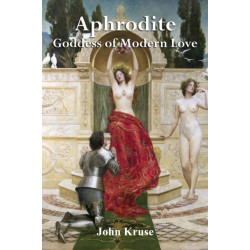
Aphrodite Goddess of Modern Love (Bog, Paperback / softback, Engelsk)
The goddess of love, Aphrodite- or Venus, or Astarte- she has had many names. She is the goddess of life, fertility and renewal, but she is also the patroness of carnal... Læs mere
Levering: 6 - 9 hverdage -
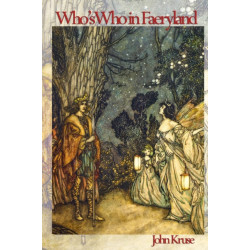
Who's Who in Faeryland (Bog, Paperback / softback, Engelsk)
This book offers a series of biographies of some of the most significant and best-known of the faery folk. This Who's Who examines their origins, characters and development, from traditional folklore through to modern literature and the fine arts.
Levering: 6 - 9 hverdage -
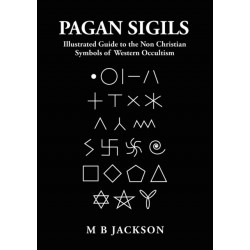
Pagan Sigils: Illustrated Guide to The Non Christian Symbols of Western Occultism (Bog, Paperback / softback, Engelsk)
Sections on Seals and Pentacles, Pagan and Neopagan Symbols, Hermetic and Cabalistic symbols. The Neopagan section includes Theosophy, British, Germanic and Slavic Neopaganism, Goddess cults and Satanism.
Levering: 6 - 9 hverdage -
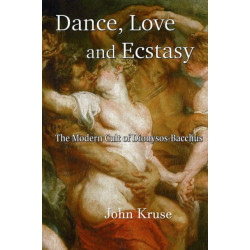
Dance, Love and Ecstasy (Bog, Paperback / softback, Engelsk)
Dionysos is the Greek god of the grape-harvest and winemaking, of the growth and fertility of vegetation - especially orchards and vineyards - and, lastly, of insanity, ritual... Læs mere
Levering: 6 - 9 hverdage