Ohio University Press Forlag
-
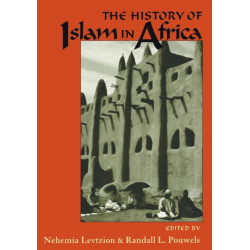
The History of Islam in Africa (Bog, Paperback / softback, Engelsk)
The history of the Islamic faith on the continent of Africa spans fourteen centuries. For the first time in a single volume, The History of Islam in Africa presents a... Læs mere
Levering: 6 - 9 hverdage -
From Mastery to Mystery: A Phenomenological Foundation for an Environmental Ethic (Bog, Paperback / softback, Engelsk)
An original and provocative contribution to the burgeoning field of ecophenomenology.
Levering: Skaffevare (forvent 14 - 30 hverdage) -
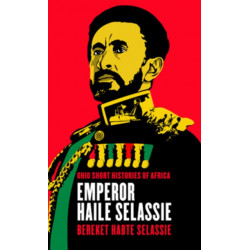
Emperor Haile Selassie (Bog, Paperback / softback, Engelsk)
Emperor Haile Selassie was an iconic figure of the twentieth century, a progressive monarch who ruled Ethiopia from 1916 to 1974. This book, written by a former state official who... Læs mere
Levering: 6 - 9 hverdage -
Switzerland: A Village History (Bog, Paperback / softback, Engelsk)
This text is an account of an Alpine village that illuminates the history of Switzerland and its rural, local underplanings. It begins with the colonization of the Alps by... Læs mere
Levering: 6 - 9 hverdage -
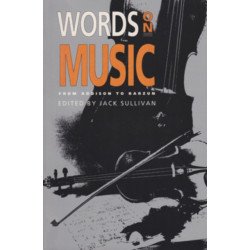
Words on Music: From Addison to Barzun (Bog, Paperback / softback, Engelsk)
For centuries, distinguished writers have taken on the challenge of describing great music and its significance in their lives. From Joseph Addison to Virgil... Læs mere
Levering: Skaffevare (forvent 14 - 30 hverdage) -
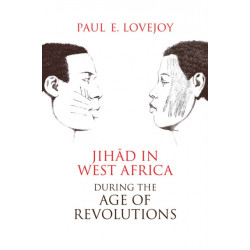
Jihad in West Africa During the Age of Revolutions (Bog, Paperback / softback, Engelsk)
In Jihad in West Africa during the Age of Revolutions, a preeminent historian of Africa argues that scholars of the Americas and the Atlantic world have not given Africa its due consideration as part of either the Atlantic world or the age of revolutions.
Levering: 6 - 9 hverdage -
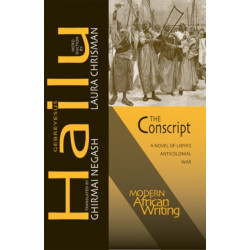
The Conscript: A Novel of Libya's Anticolonial War (Bog, Paperback / softback, Engelsk)
Eloquent and thought-provoking, this classic novel by the Eritrean novelist Gebreyesus Hailu, written in Tigrinya in 1927 and published in 1950, is one... Læs mere
Levering: 6 - 9 hverdage -
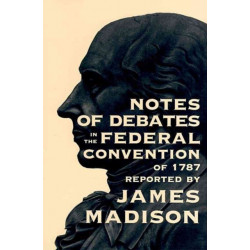
Notes of Debates in the Federal Convention of 1787 (Bog, Paperback / softback, Engelsk)
James Madison’s record of the Constitutional Convention traces day by day the debates held from May to September 1787 and presents the only complete picture we have of the strategy, interests, and ideas of the Founders at the convention itself.
Levering: Skaffevare (forvent 14 - 30 hverdage) -
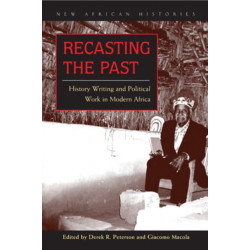
Recasting the Past: History Writing and Political Work in Modern Africa (Bog, Paperback / softback, Engelsk)
Includes essays that study the warp and weft of Africa's homespun historical work. This book traces the strands of discourse from which historical entrepreneurs drew, highlighting the sources of inspiration and reference that enlivened their work.
Levering: 6 - 9 hverdage -
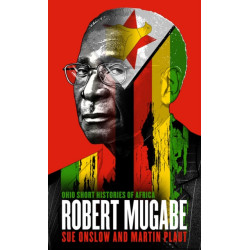
Robert Mugabe (Bog, Paperback / softback, Engelsk)
For some, Zimbabwe’s President Mugabe is a liberation hero who confronted white rule and oversaw the radical redistribution of land. For others, he is a murderous dictator who drove his... Læs mere
Levering: 6 - 9 hverdage -
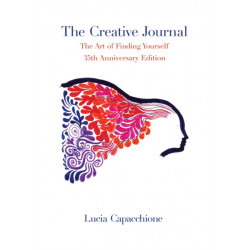
The Creative Journal: The Art of Finding Yourself: 35th Anniversary Edition (Bog, Paperback / softback, Engelsk)
Using more than fifty prompts and vibrantly illustrated examples, The Creative Journal—a classic in the fields of art therapy,... Læs mere
Levering: 6 - 9 hverdage -
Safari Nation: A Social History of the Kruger National Park (Bog, Paperback / softback, Engelsk)
Safari Nation tells the history of the Kruger National Park through a black perspective, helping explain why Africa’s national parks—often derided by scholars as colonial impositions—survived the end of white rule on the continent.
Levering: 6 - 9 hverdage