Silvana Forlag
-
Italian Olive Oil Tins: Guatelli Collection (Bog, Hardback, Engelsk)
Between industrial progress and artistic research, the Guatelli Collection of oil cans traces the developments of advertising graphics between the 19th and 20th centuries.Text in English and Italian.
Levering: Skaffevare (forvent 14 - 30 hverdage) -
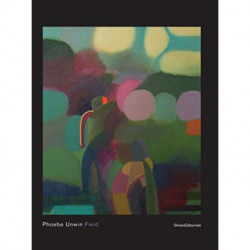
Phoebe Unwin: Field (Bog, Hardback, Engelsk)
Moving from abstraction to figuration, Phoebe Unwin creates images that seem to float within an indeterminate space and time. Text in English and Italian.
Levering: Skaffevare (forvent 14 - 30 hverdage) -
Iran: Labyrinth of Imagination (Bog, Hardback, Engelsk)
A volume of photographs by Maria Luisa Gaetani, taken on her most recent trip to Iran. Text in English and Italian.
Levering: Skaffevare (forvent 14 - 30 hverdage) -
Wael Shawky: Crusades and Other Stories (Bog, Hardback, Arabisk)
This book brings together Wael Shawky's most accomplished and mature series, Cabaret Crusades and Al Araba Al Madfuna, for the first time. Text in English and Arabic.
Levering: Skaffevare (forvent 14 - 30 hverdage) -
Carlo Valsecchi: Posterius (Bog, Hardback, Engelsk)
The ethereal, alienating and attractive images shot by Valsecchi, master of architectural photography, inside the construction site of the Philip Morris factory. Text in English and Italian.
Levering: Skaffevare (forvent 14 - 30 hverdage) -
Mollino/Insides: Carlo Mollino, Brigitte Schindler, Enoc Perez (Bog, Hardback, Engelsk)
A selection of photographs from the 1950s and '60s, combined with the contemporary works of Enoc Perez and Brigitte Schindler, shedding light on the eclectic figure of Carlo Mollino. Text in English and Italian.
Levering: Skaffevare (forvent 14 - 30 hverdage) -
Svenja Deininger: Two Thoughts (Bog, Hardback, Engelsk)
Svenja Deininger’s creative process unfolds through a sequence of assiduous reworkings of the surface of each painting, while developing a system of interaction between them all. Text in English and Italian.
Levering: Skaffevare (forvent 14 - 30 hverdage) -
Andres Serrano: Uncensored Photographs (Bog, Hardback, Engelsk)
This catalogue of the Andres Serrano retrospective presents the work of an artist from New York regarded as one of the major figures on the contemporary scene, tracing his creative trajectory in over a hundred photographs.
Levering: Skaffevare (forvent 14 - 30 hverdage) -
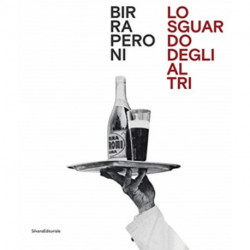
Birra Peroni: The Gaze of Others (Bog, Hardback, Engelsk)
One of the historical symbols of Italian production excellence. Birra Peroni is known throughout the world, thanks to a consolidated presence on foreign markets. Text in English and Italian.
Levering: Skaffevare (forvent 14 - 30 hverdage) -
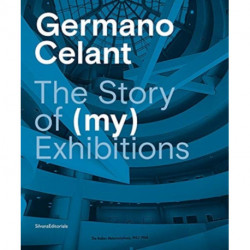
Germano Celant: The Story of (my) Exhibitions (Bog, Hardback, Engelsk)
This book, which Germano Celant had been working on for years, is published posthumously and represents the professional and spiritual testament of the curator, known and respected internationally. Text in English and Italian.
Levering: Skaffevare (forvent 14 - 30 hverdage) -
Blue Tailoring (Bog, Hardback, Engelsk)
Denim: the most widespread fabric on the planet, in designer Stefano Chiassai’s original sartorial reinterpretation. Text in English and Italian.
Levering: Skaffevare (forvent 14 - 30 hverdage) -
Islamic Metalwork from the Aron Collection (Bog, Hardback, Engelsk)
The precious artefacts in the Aron Collection act as cue for a meticulous comparative study of medieval Islamic metalwork, created both by renowned artists and anonymous craftsmen.
Levering: Skaffevare (forvent 14 - 30 hverdage)