Yale University Press Forlag
Visning: Type : Alle | Sprog : Alle | Format : Alle
-
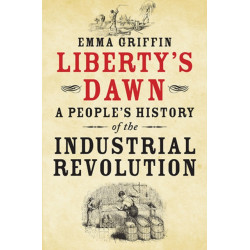
Liberty's Dawn: A People's History of the Industrial Revolution (Bog, Paperback / softback, Engelsk)
Looks at hundreds of autobiographies penned between 1760 and 1900 to offer an account of how the Industrial Revolution was experienced by the working class. This book shows how it raised incomes, improved literacy and offered exciting opportunities for political action.
Levering: 6 - 9 hverdage -
A New History of Early Christianity (Bog, Paperback / softback, Engelsk)
Shows how our debates are rooted in the many controversies surrounding the birth of the religion and the earliest attempts to resolve them. This title explores the... Læs mere
Levering: 6 - 9 hverdage -
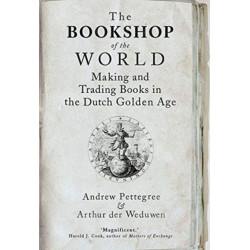
The Bookshop of the World: Making and Trading Books in the Dutch Golden Age (Bog, Paperback / softback, Engelsk)
The untold story of how the Dutch conquered the European book market and became the world's greatest bibliophiles
Levering: 6 - 9 hverdage -
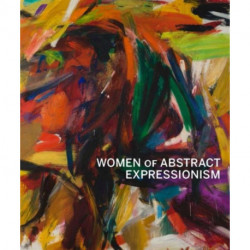
Women of Abstract Expressionism (Bog, Hardback, Engelsk)
A long-awaited survey of female Abstract Expressionist artists revealing the richness and lasting influence of their work
Levering: 6 - 9 hverdage -
Edward I (Bog, Paperback / softback, Engelsk)
This study of Edward I, first published in 1988, is an account of one of the leading monarchs of the Middle Ages. Examining manuscript sources, the book reveals a capable monarch who pioneered legal and parliamentary change, conquered Wales and came close to conquering Scotland.
Levering: 6 - 9 hverdage -
The Madwoman in the Attic: The Woman Writer and the Nineteenth-Century Literary Imagination (Bog, Paperback / softback, Engelsk)Levering: 6 - 9 hverdage
-
Culture in Nazi Germany (Bog, Paperback / softback, Engelsk)
A fresh and insightful history of how the German arts-and-letters scene was transformed under the Nazis
Levering: 6 - 9 hverdage -
Becoming Freud: The Making of a Psychoanalyst (Bog, Paperback / softback, Engelsk)Levering: Skaffevare (forvent 14 - 30 hverdage)
-
Exemplary Novels (Bog, Paperback / softback, Engelsk)
Edith Grossman, celebrated for her brilliant translation of Don Quixote, offers a dazzling new version of another Cervantes classic
Levering: 6 - 9 hverdage -
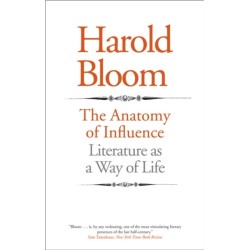
The Anatomy of Influence: Literature as a Way of Life (Bog, Paperback / softback, Engelsk)
Featuring extended analyses of the author's most cherished poets - Shakespeare, Whitman, and Crane - as well as inspired appreciations of Emerson,... Læs mere
Levering: 6 - 9 hverdage -
Edward the Confessor (Bog, Paperback / softback, Engelsk)
This biography of Edward the Confessor, first published in 1970, aims to rescue the image of the King from what the author sees as myth and bogus scholarship. Disentangling fact... Læs mere
Status: Skaffevare (forvent 3 - 8 uger) -
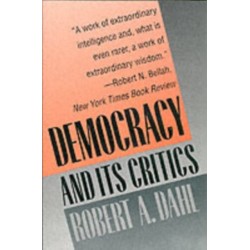
Democracy and Its Critics (Bog, Paperback / softback, Engelsk)
Winner of the 1991 Elaine and David Spitz Book Prize for the best book on liberal and/or democratic theory, this book discusses what democracy is and why it is important. It examines basic assumptions of democratic theory and tests them against the questions raised by critics.
Levering: 6 - 9 hverdage