Der er 4+ underkategorier
 for at udvide
kategorilisten.
for at udvide
kategorilisten.
Afrika
Visning: Type : Alle | Sprog : Engelsk | Format : Multiple-component retail product Der vises kun varer på engelsk

-
Bemærk: Kan ikke leveres før jul.
Routledge Library Editions: Slavery (Engelsk)Routledge Library Editions: Slavery analyses the Atlantic slave trade, and its effects on Africa; modern slavery around the world; slave rebellions and resistance; the Abolitionist movements; the suppression of the slave trade; slavery in the ancient world; and more besides.
Levering: Skaffevare (forvent 14 - 30 hverdage) -
Bemærk: Kan ikke leveres før jul.
This 7-volume set originally published between 1963 and 1979 contains titles on Asia and Africa. The individual titles cover topics including the... Læs mere
Levering: Skaffevare (forvent 14 - 30 hverdage) -
Bemærk: Kan ikke leveres før jul.
Continuing our series on Women's Travel Writings, this two-part collection presents some fascinating tales of North Africa and the Middle East.
Levering: Skaffevare (forvent 14 - 30 hverdage) -
Bemærk: Kan ikke leveres før jul.
Part II of this edition reproduces The Tour of Africa, first published in 1821 by Catherine Hutton. Although framed as a first-person... Læs mere
Levering: Skaffevare (forvent 14 - 30 hverdage) -
Bemærk: Kan ikke leveres før jul.
A collection of work that attempts to reflect the diversity of travel... Læs mere
Levering: Skaffevare (forvent 14 - 30 hverdage) -
Bemærk: Kan ikke leveres før jul.
Levering: Skaffevare (forvent 14 - 30 hverdage) -
Bemærk: Kan ikke leveres før jul.
One of the main motives for British imperialism in Africa was economic gain. This collection examines the ways in which Britain developed Africa, and, in so doing, benefited her own economy.
Levering: Skaffevare (forvent 14 - 30 hverdage) -
Bemærk: Kan ikke leveres før jul.
This collection presents rare documents relating to the development of various forms of communication across Africa by the British, as part of their economic investment in Africa. Railways and waterways are examined.
Levering: Skaffevare (forvent 14 - 30 hverdage) -
Bemærk: Kan ikke leveres før jul.
-
Bemærk: Kan ikke leveres før jul.
This collection makes available rare sources on the aims, functions and effects of British administration in Africa. Topics examined include: land and urban administration, law and jurisprudence, taxation and administration of natural resources.
Levering: Skaffevare (forvent 14 - 30 hverdage) -
Bemærk: Kan ikke leveres før jul.
This collection presents rare documents relating to the development of various forms of communication across Africa by the British, as part of their economic investment in Africa. Railways and waterways are examined.
Levering: Skaffevare (forvent 14 - 30 hverdage) -
Bemærk: Kan ikke leveres før jul.
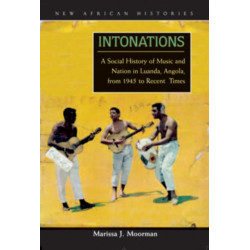
Intonations: A Social History of Music and Nation in Luanda, Angola, from 1945 to Recent Times (Engelsk)Tells the story of how Angola's urban residents in the late colonial period (roughly 1945-74) used music to talk back to their colonial oppressors and, more importantly, to define what it meant to be Angolan and what they hoped to gain from independence.
Levering: Skaffevare (forvent 14 - 30 hverdage)