Aristotle Forfatter
-
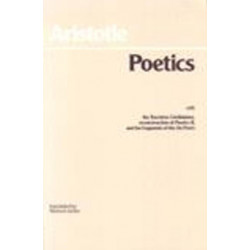
Poetics: with the Tractatus Coislinianus, reconstruction of Poetics II, and the fragments of the On Poets (Bog, Hardback, Engelsk)
A translation of Aristotle's "Poetics". It features notes of both the "Tractatus Coislinianus", which is argued to be a summary of the lost second book of the "Poetics", and fragments of Aristotle's "Dialogue On Poets", including the texts about catharsis.
Levering: Skaffevare (forvent 14 - 30 hverdage) -
-
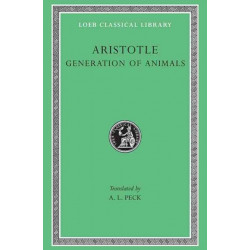
Generation of Animals (Bog, Hardback, Engelsk)
Nearly all the works Aristotle (384–322 BC) prepared for publication are lost; the priceless ones extant are lecture-materials, notes, and memoranda (some are spurious). They can be categorized as practical; logical; physical; metaphysical; on art; other; fragments.
Levering: 6 - 9 hverdage -
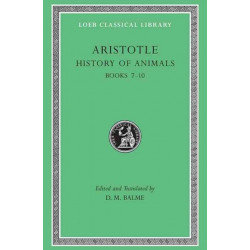
History of Animals, Volume III: Books 7–10 (Bog, Hardback, Engelsk)
Nearly all the works Aristotle (384–322 BC) prepared for publication are lost; the priceless ones extant are lecture-materials, notes, and memoranda (some are spurious). They can be categorized as practical; logical; physical; metaphysical; on art; other; fragments.
Levering: Skaffevare (forvent 14 - 30 hverdage) -
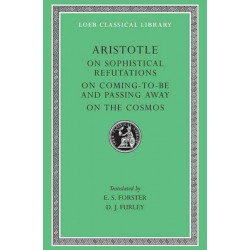
On Sophistical Refutations. On Coming-To-Be and Passing Away. On the Cosmos (Bog, Hardback, Engelsk)
Nearly all the works Aristotle (384–322 BC) prepared for publication are lost; the priceless ones extant are lecture-materials, notes, and memoranda (some are spurious). They can be categorized as practical; logical; physical; metaphysical; on art; other; fragments.
Levering: 6 - 9 hverdage -
Problems, Volume II: Books 20–38. Rhetoric to Alexander (Bog, Hardback, Engelsk)
Although Problems is an accretion of multiple authorship over several centuries, it offers a fascinating technical view of Peripatetic method and... Læs mere
Levering: Skaffevare (forvent 14 - 30 hverdage) -
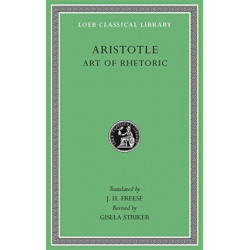
Art of Rhetoric (Bog, Hardback, Engelsk)
Aristotle (384–322 BC), the great Greek thinker, researcher, and educator, ranks among the most important and influential figures in the history of philosophy, theology, and science.... Læs mere
Levering: 6 - 9 hverdage -
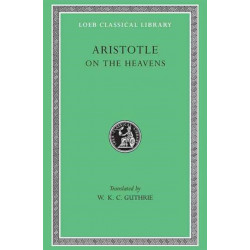
On the Heavens (Bog, Hardback, Engelsk)
Nearly all the works Aristotle (384–322 BC) prepared for publication are lost; the priceless ones extant are lecture-materials, notes, and memoranda (some are spurious). They can be categorized as practical; logical; physical; metaphysical; on art; other; fragments.
Levering: 6 - 9 hverdage -
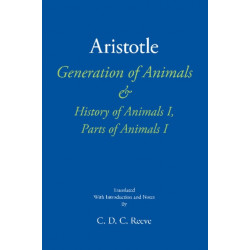
Generation of Animals & History of Animals I, Parts of Animals I (Bog, Hardback, Engelsk)Levering: Skaffevare (forvent 14 - 30 hverdage)
-
-
Politics (Bog, Hardback, Engelsk)
Nearly all the works Aristotle (384–322 BCE) prepared for publication are lost; the priceless ones extant are lecture-materials, notes, and memoranda (some are spurious). They can be categorized as practical; logical; physical; metaphysical; on art; other; fragments.
Levering: 6 - 9 hverdage -
Metaphysics, Volume I: Books 1–9 (Bog, Hardback, Engelsk)
Nearly all the works Aristotle (384–322 BC) prepared for publication are lost; the priceless ones extant are lecture-materials, notes, and memoranda (some are spurious). They can be categorized as practical; logical; physical; metaphysical; on art; other; fragments.
Levering: 6 - 9 hverdage