George Washington Forfatter
-
The Papers of George Washington V.3- June-Sept, 1789-June-Sept, 1789 (Bog, Hardback, Engelsk)
Part of a series which covers the eight precedent-setting years of Washington's presidency and his brief retirement. Volume three covers most of the summer of 1789 and focuses on the problems facing the new administration.
Levering: 6 - 9 hverdage -
The Papers of George Washington V. 12- Presidential Series-January-May, 1793 (Bog, Hardback, Engelsk)
Volume 12 of the ""Presidential Series"" continues the fourth chronological series of ""The Papers of George Washington"". This series includes the public papers written by or presented to Washington during his two administrations.
Levering: 6 - 9 hverdage -
The Papers of George Washington V.5- Presidential Series-January-June 1790 (Bog, Hardback, Engelsk)Levering: 6 - 9 hverdage
-
The Papers of George Washington Volume 18: 1 November 1778 - 14 January 1779 (Bog, Hardback, Engelsk)
Covers the period 1 November 1778 through 14 January 1779. This title begins with George Washington at Fredericksburg, New York, watching... Læs mere
Levering: 6 - 9 hverdage -
The Papers of George Washington Volume 15: May - June 1778 (Bog, Hardback, Engelsk)
Part of the ""Revolutionary War Series"", this work documents a period that includes the Continental Army's last weeks at Valley Forge, the British evacuation of... Læs mere
Levering: 6 - 9 hverdage -
The Papers of George Washington V.7- Presidential Series-December 1790-March 1791 (Bog, Hardback, Engelsk)
This volume presents documents written during the final sessions of the First Congress. Congress passed legislation that established a national bank and federal excise, and increased the size of the army. Washington also gave a lot of time to the new federal city on the Potomac.
Levering: 6 - 9 hverdage -
The Papers of George Washington V.6- Presidential Series-July-November 1790 (Bog, Hardback, Engelsk)
This volume of the papers of George Washington covers the period when his attention was devoted to several matters of national... Læs mere
Levering: 6 - 9 hverdage -
The Papers of George Washington Volume 8: January - March 1777 (Bog, Hardback, Engelsk)
This collection of papers chronicles George Washington's first winter at Morristown. Situated in the hills of north central New Jersey, Morristown offered protection against the British army headquartered in New York yet enabled Washington to annoy the principal enemy outposts.
Levering: Skaffevare (forvent 14 - 30 hverdage) -
The Papers of George Washington Volume 1: June - September 1775 (Bog, Hardback, Engelsk)Levering: 6 - 9 hverdage
-
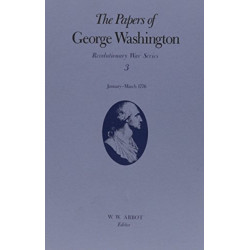
The Papers of George Washington Volume 3: January - March 1776 (Bog, Hardback, Engelsk)
Covers the final months of the siege of Boston. Washington's correspondence and orders for this period reveal an uncompromising attitude toward reconciliation with Britain and a single-minded determination to engage the enemy forces in Boston before the end of the winter.
Levering: 6 - 9 hverdage -
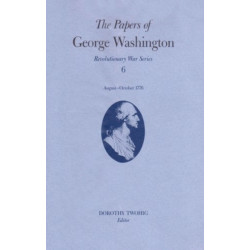
The Papers of George Washington Volume 6: 13 August - 20 October 1776 (Bog, Hardback, Engelsk)
Documents Washington's decisions and actions during the heart of the New York campaign, from late summer to early fall 1776, when his opponent, General William Howe, took the offensive and outmanoeuvred the American forces in and around New York City by amphibious landings.
Levering: 6 - 9 hverdage -
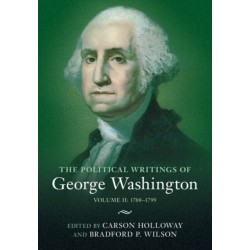
The Political Writings of George Washington: Volume 2, 1788–1799: Volume II: 1788–1799 (Bog, Hardback, Engelsk)
This book is for scholars (principally students of political thought and historians) as well as for lay readers who are interested in George Washington's political thought, his understanding of statesmanship, and his contribution to the founding of the American republic.
Levering: Print on Demand (forvent 14 - 30 hverdage)