Jan Campbell Forfatter
-
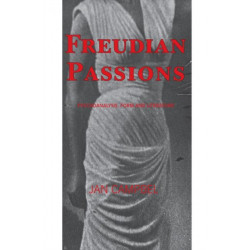
Freudian Passions: Psychoanalysis, Form and Literature (Bog, Hardback, Engelsk)
This book returns to the repressed theory of passions in Freud's own thinking, arguing that the repression, fixation and rhythmic movement of affects make up the roots and branches of psychoanalytic thinking.
Levering: Skaffevare (forvent 14 - 30 hverdage) -
Varieties of Hope: Stories of Sexuality, Shame and Power (Bog, Hardback, Engelsk)
This book explores how hope operates as an ambivalent force in relation to issues of sex and gender, power, and identity in both our private and public lives.
Levering: Skaffevare (forvent 14 - 30 hverdage)