John P. Cann Forfatter
Visning: Type : Alle | Sprog : Engelsk | Format : Paperback / softback Der vises kun varer på engelsk
-
The The Paras: Portugal’s First Elite Force in Africa, 1961-1974 (Bog, Paperback / softback, Engelsk)
Portuguese paratroopers (or 'paras') began as a stepchild of the army and found a home in the Portuguese Air Force in 1955. Initially, the post-World War Two... Læs mere
Levering: 6 - 9 hverdage -
Portuguese Dragoons 1966-1974: The Return to Horseback (Bog, Paperback / softback, Engelsk)
In 1966 Portugal needed a force that could combine mobility with the ability to engage insurgents; one solution was to create horse cavalry units.
Levering: 6 - 9 hverdage -
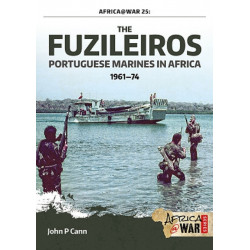
The The Fuzileiros: Portuguese Marines in Africa, 1961–1974 (Bog, Paperback / softback, Engelsk)Levering: 6 - 9 hverdage
-
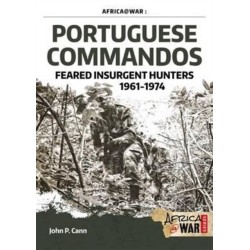
Portuguese Commandos: Feared Insurgent Hunters, 1961-1974 (Bog, Paperback / softback, Engelsk)Levering: 6 - 9 hverdage
-
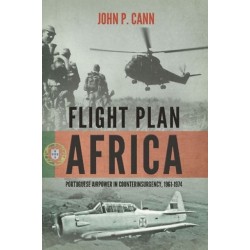
Flight Plan Africa: Portuguese Airpower in Counterinsurgency, 1961-1974 (Bog, Paperback / softback, Engelsk)
Following the 1952 reorganization of the Portuguese Air Force from the army and naval air arms, Portugal now had an entity dedicated solely to aviation that would bring it into line with its new NATO commitment.
Levering: 6 - 9 hverdage -
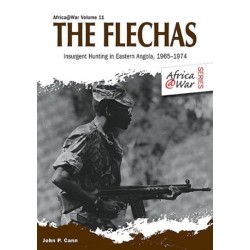
The The Flechas: Insurgent Hunting in Eastern Angola, 1965–1974 (Bog, Paperback / softback, Engelsk)
In 1961, Portugal found itself fighting a war to retain its colonial possessions and preserve the remnants of its empire. It was almost... Læs mere
Levering: 6 - 9 hverdage -
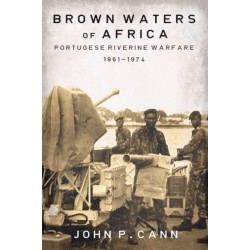
Brown Waters of Africa: Portuguese Riverine Warfare 1961-1974 (Bog, Paperback / softback, Engelsk)
During World War II, Portugal played its cards uncommonly well as a neutral and subsequently became a member of NATO. This membership resulted in a modernising of its navy and its integration into the Atlantic Alliance.
Levering: 6 - 9 hverdage -
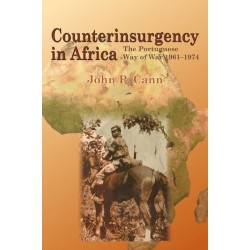
Counterinsurgency in Africa: The Portugese Way of War 1961-74 (Bog, Paperback / softback, Engelsk)
Portugal was the first colonial power to arrive in Africa and the last to leave. As other European states were granting independence to their African possessions, Portugal chose to stay and fight despite the small odds of success.
Levering: 6 - 9 hverdage