Katherine (University of Technology Biber Forfatter
Visning: Type : Alle | Sprog : Alle | Format : Alle
-
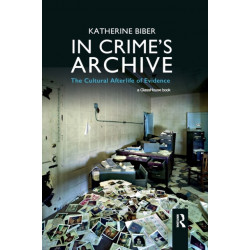
In Crime's Archive: The Cultural Afterlife of Evidence (Bog, Paperback / softback, Engelsk)
This book investigates what happens to criminal evidence after the conclusion of legal proceedings. In its ‘afterlife’, criminal evidence continues to proliferate in cultural contexts; often arousing the interest of journalists, scholars, curators, writers or artists.
Levering: Skaffevare (forvent 14 - 30 hverdage) -
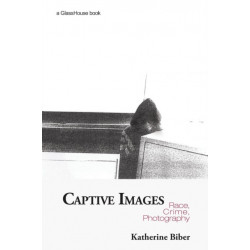
Captive Images: Race, Crime, Photography (Bog, Paperback / softback, Engelsk)
This interdisciplinary study of crime analyzes the legal use of photographs from surveillance cameras in order to unfold a compelling narrative about race relations, national identity and fear.
Levering: Skaffevare (forvent 14 - 30 hverdage) -
Captive Images: Race, Crime, Photography (Bog, Hardback, Engelsk)
This interdisciplinary study of crime analyzes the legal use of photographs from surveillance cameras in order to unfold a compelling narrative about race relations, national identity and fear.
Levering: Skaffevare (forvent 14 - 30 hverdage) -
In Crime's Archive: The Cultural Afterlife of Evidence (Bog, Hardback, Engelsk)
This book investigates what happens to criminal evidence after the conclusion of legal proceedings. In its ‘afterlife’, criminal evidence continues to proliferate in cultural contexts; often arousing the interest of journalists, scholars, curators, writers or artists.
Levering: Skaffevare (forvent 14 - 30 hverdage)