Mary Evans Forfatter
Visning: Type : Alle | Sprog : Engelsk | Format : Paperback / softback Der vises kun varer på engelsk
-
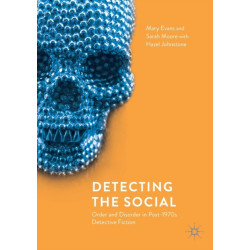
Detecting the Social: Order and Disorder in Post-1970s Detective Fiction (Bog, Paperback / softback, Engelsk)Levering: Skaffevare (forvent 14 - 30 hverdage)
-
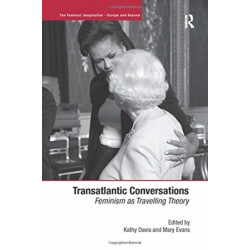
Transatlantic Conversations: Feminism as Travelling Theory (Bog, Paperback / softback, Engelsk)Levering: Skaffevare (forvent 14 - 30 hverdage)
-
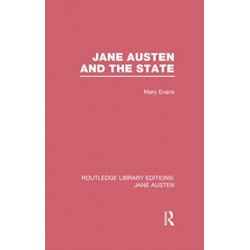
Jane Austen and the State (RLE Jane Austen) (Bog, Paperback / softback, Engelsk)
First published in 1987, Mary Evan's study argues that far from endorsing established and conservative views Jane Austen advances a radical critique of the morality of bourgeois capitalism and demonstrates a concern for the articulation of women's rights.
Levering: Skaffevare (forvent 14 - 30 hverdage) -
The Battle for Britain: Citizenship and Ideology in the Second World War (Bog, Paperback / softback, Engelsk)
It is generally accepted that Britain was held together during the second world war by a spirit of national democratic `consensus'. But whose interests did the consensus serve? And how did it unravel in the years immediately after victory?
Levering: Skaffevare (forvent 14 - 30 hverdage) -
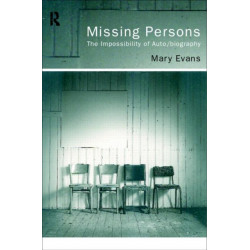
Missing Persons: The Impossibility of Auto/Biography (Bog, Paperback / softback, Engelsk)
An introductory analysis of auto/biography which suggests that the genre is based on fictions, both about the subject and about what is possible to... Læs mere
Levering: Skaffevare (forvent 14 - 30 hverdage)