SENTHORUN RAJ Forfatter
Visning: Type : Alle | Sprog : Engelsk | Format : Paperback / softback Der vises kun varer på engelsk
-
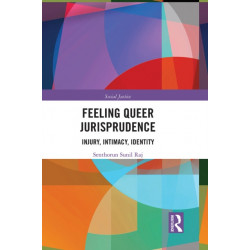
Feeling Queer Jurisprudence: Injury, Intimacy, Identity (Bog, Paperback / softback, Engelsk)
This book draws on the analytic and political dimensions of queer, alongside the analytic and political usefulness of reading emotion, to navigate legal interventions aimed at addressing the rights of LGBT people.
Levering: Skaffevare (forvent 14 - 30 hverdage) -
The Queer Outside in Law: Recognising LGBTIQ People in the United Kingdom (Bog, Paperback / softback, Engelsk)
This book contributes to current debates about “queer outsides” and “queer outsiders” that emerge from tensions in legal reforms aimed at improving the lives of lesbian, gay, bisexual, transgender, intersex, and queer people in the United Kingdom.
Levering: Skaffevare (forvent 14 - 30 hverdage)