T. J. (Madurai Kamaraj University Pandian Forfatter
-
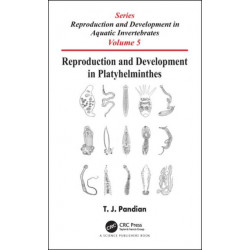
Reproduction and Development in Platyhelminthes (Bog, Hardback, Engelsk)
This book provides a comprehensive synthesis of all aspects of Reproduction and Development in Platyhelminths covering from Acoela in Turbellaria to Taenioidea in Cestoda. It elaborates the life cycle and characteristics of different platyhelminthic taxa.
Levering: Skaffevare (forvent 14 - 30 hverdage) -
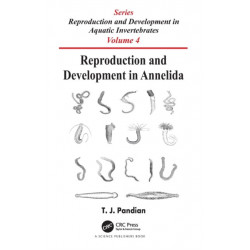
Reproduction and Development in Annelida: Series on: Reproduction and Development in Aquatic Invertebrates (Bog, Hardback, Engelsk)
Reproduction and Development in Annelida will offer a comprehensive update to our knowledge of the reproduction and development of annelids. The book will... Læs mere
Levering: Skaffevare (forvent 14 - 30 hverdage) -
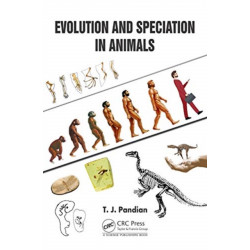
Evolution and Speciation in Animals (Bog, Hardback, Engelsk)
The relatively more motile major phyletics have evolved more toward species diversity, while the relatively low motile or sessile minor phyletics have gone for more... Læs mere
Levering: Skaffevare (forvent 14 - 30 hverdage) -
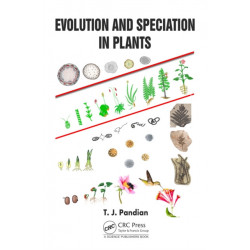
Evolution and Speciation in Plants (Bog, Hardback, Engelsk)
Plants are autotrophs and sessile, while animals are heterotrophs and motile. Sessility has imposed on plants 94% hermaphroditism, 23% selfing, 3% polyploidization and 39% clonality, in comparison to < 5% herma-phroditism, < 1% selfing and 2% clonality in motile animals.
Levering: Skaffevare (forvent 14 - 30 hverdage) -
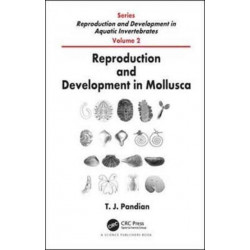
Reproduction and Development in Mollusca (Bog, Hardback, Engelsk)
Molluscs are comprised of edible abalones, snails, mussels, oysters, cuttlefish, and squids. With chapters focusing on sexual and asexual reproduction,... Læs mere
Levering: Skaffevare (forvent 14 - 30 hverdage) -
Reproduction and Development in Echinodermata and Prochordata (Bog, Hardback, Engelsk)
This book discusses the sexual and asexual modes of reproduction of solitary echinoderms, colonial hemichordates, and ascidians. It focuses on the study of the primordial and embryonic stem cells found in echinoderms as early models for gene therapy in vertebrates.
Levering: Skaffevare (forvent 14 - 30 hverdage) -
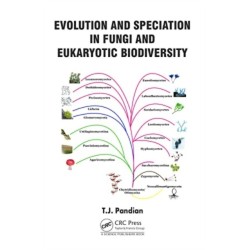
Evolution and Speciation in Fungi and Eukaryotic Biodiversity (Bog, Hardback, Engelsk)
Being sessiles like autotrophic plants and heterotrophics as animals, fungi are fascinating eukaryotes. In them, the need for external digestion has demanded surface expansion and limited tissues to < eight types. To reproduce, 96% fungi engage spores.
Levering: Skaffevare (forvent 14 - 30 hverdage)