William Franke Forfatter
-
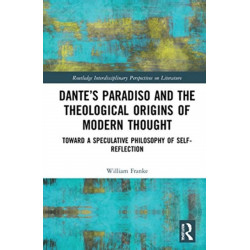
Dante’s Paradiso and the Theological Origins of Modern Thought: Toward a Speculative Philosophy of Self-Reflection (Bog, Hardback, Engelsk)
This book rewrites modern intellectual history, taking Dante’s lyrical language in Paradiso as enacting a Trinitarian self-reflexivity that gives a theological spin to the birth of the modern subject already with the Troubadours.
Levering: Skaffevare (forvent 14 - 30 hverdage) -
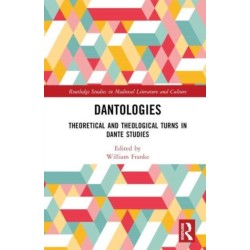
Dantologies: Theoretical and Theological Turns in Dante Studies (Bog, Hardback, Engelsk)
The comparison of current theoretical approaches to Dante, particularly those mobilizing the resources of theology, serves to adumbrate and illustrate, by application to Dante studies as a specific field of scholarship, the author’s own philosophy of culture and the humanities
Levering: Skaffevare (forvent 14 - 30 hverdage) -
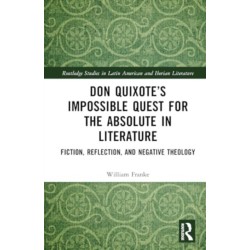
Don Quixote’s Impossible Quest for the Absolute in Literature: Fiction, Reflection, and Negative Theology (Bog, Hardback, Engelsk)
Don Quixote’s madly ideal fiction is as relevant as ever in our “post-truth” era of virtual reality.... Læs mere
Levering: Skaffevare (forvent 14 - 30 hverdage)