Arc Humanities Press Forlag
Visning: Type : Alle | Sprog : Alle | Format : Alle
-
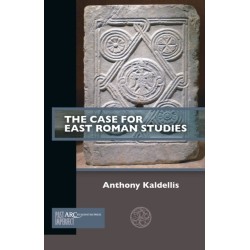
The Case for East Roman Studies (Bog, Paperback / softback, Engelsk)
A growing number of historians have realized that the terms “Byzantium” and “the Byzantines” distort the reality and identity of the society being studied. Anthony Kaldellis proposes a name change for the field of Byzantine Studies.
Levering: Skaffevare (forvent 14 - 30 hverdage) -
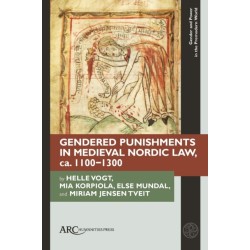
Gendered Punishments in Medieval Nordic Law, ca. 1100–1300 (Bog, Hardback, Engelsk)
A discussion of Nordic medieval laws in the period 1100–1300, focusing on the female criminal and highlighting the complex relationship between gender, law, and society during this transformative period.
Levering: 6 - 9 hverdage -
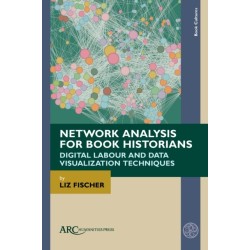
Network Analysis for Book Historians: Digital Labour and Data Visualization Techniques (Bog, Hardback, Engelsk)
This book explores the potential of network analysis for medieval and early modern book history, with case studies of the Cotton Library, the Digital Index of Middle English Verse, and the Pforzheimer Collection.
Levering: Skaffevare (forvent 14 - 30 hverdage) -
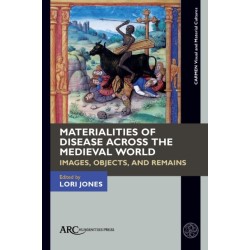
Materialities of Disease Across the Medieval World: Images, Objects, and Remains (Bog, Hardback, Engelsk)
Offers new ways to think about how disease and death, healing and health, were considered, experienced, displayed, and portrayed across the global medieval world.
Levering: Skaffevare (forvent 14 - 30 hverdage) -
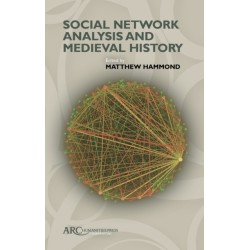
Social Network Analysis and Medieval History (Bog, Hardback, Engelsk)
The first collection of network analysis case studies dedicated to the study of the European Middle Ages.
Levering: Skaffevare (forvent 14 - 30 hverdage) -
The Medieval Womb: Hildegard of Bingen’s Views on the Female Reproductive Body (Bog, Hardback, Engelsk)
Hildegard of Bingen’s understandings of the womb from natural philosophy (in her medical work Cause et Cure) and theology (in her visionary work Scivias).
Levering: Skaffevare (forvent 14 - 30 hverdage) -
The Documentary Politics of Conquered England's Queens: New Translations of the "Encomium of Queen Emma" and the "Life of King Edward" (Bog, Hardback, Engelsk)
Translations of texts attributed to Emma of Normandy and Edith of Wessex—mother and wife, respectively, of Edward the Confessor.
Levering: 6 - 9 hverdage -
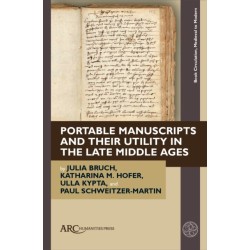
Portable Manuscripts and their Utility in the Late Middle Ages (Bog, Hardback, Engelsk)
This volume uncovers the role of manuscripts in shaping the premodern social fabric of which they were part.
Levering: 6 - 9 hverdage -
Secular Carolling in Late Medieval England (Bog, Hardback, Engelsk)
This study shows the importance of carolling in the celebrations and festivities of medieval Britain and demonstrates its longevity from the eleventh century to the sixteenth.
Levering: Skaffevare (forvent 14 - 30 hverdage) -
Medieval and Early Modern Jewish Romance (Bog, Hardback, Engelsk)
A collection featuring essays from leading scholars highlighting the important Jewish contribution to the popular medieval and early modern genre of romance.
Levering: Skaffevare (forvent 14 - 30 hverdage)