Fernwood Publishing Co Ltd Forlag
-
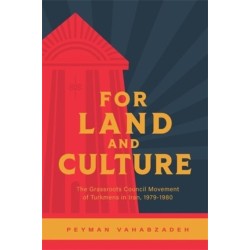
For Land and Culture: The Grassroots Council Movement of Turkmens in Iran, 1979-1980 (Bog, Paperback / softback, Engelsk)
This book offers a fascinating and historically important account of the little-known struggle of Iran's Turkmen peasant movement for collective control over land, democracy and cultural revival.
Levering: 6 - 9 hverdage -
The Genocide Continues: Population Control and the Sterilization of Indigenous Women (Bog, Paperback / softback, Engelsk)
The coerced sterilization of Indigenous women in Canada is driven by a concern with who occupies land and how resources are distributed.
Levering: 6 - 9 hverdage -
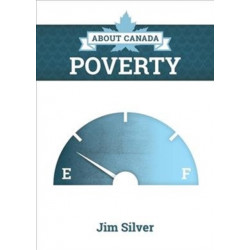
About Canada: Poverty: Poverty (Bog, Paperback / softback, Engelsk)
This short and accessible book illustrates that poverty is about more than a shortage of money. At the centre of this analysis are Canada’s neoliberal economic policies and its harmful effect on low income groups, vanishing public services and poor physical health.
Levering: Skaffevare (forvent 14 - 30 hverdage) -
Illusion or Opportunity: Civil Society and the Quest for Social Change (Bog, Paperback / softback, Engelsk)Levering: Skaffevare (forvent 14 - 30 hverdage)
-
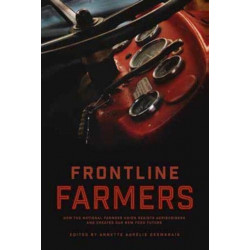
Frontline Farmers: How the National Farmers Union Resists Agribusiness and Creates Our New Food Future (Bog, Paperback / softback, Engelsk)
Who grows the food we eat? How important is it that family farms are viable in Canada today and in the future? How do viable family farms help determine the safety, diversity and sustainability of Canada’s food systems? Why is this important to those of us who do not farm?
Levering: 6 - 9 hverdage -
Finding Our Niche: Toward A Restorative Human Ecology (Bog, Paperback / softback, Engelsk)
This book guides us in reconciling our damaging settler-colonial histories and tremendous environmental missteps in favour of a more sustainable and just vision for the future.
Levering: 6 - 9 hverdage -
Warrior Life: Indigenous Resistance and Resurgence (Bog, Paperback / softback, Engelsk)
Pamela Palmater addresses a range of Indigenous issues — empty political promises, ongoing racism, sexualized genocide, government lawlessness, and the lie that is reconciliation — and makes the complex political and legal implications accessible to the public.
Levering: 6 - 9 hverdage -
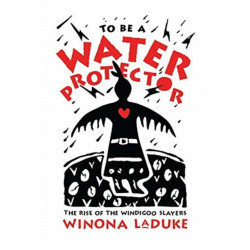
To Be A Water Protector: The Rise of the Wiindigoo Slayers (Bog, Paperback / softback, Engelsk)
This book explores issues that have been central to Winona LaDuke’s activism for many years — sacred Mother Earth, our despoiling of Earth and the activism at Standing Rock and opposing Line 3.
Levering: 6 - 9 hverdage -
The Politics of Restorative Justice: A Critical Introduction (Bog, Paperback / softback, Engelsk)
In this updated edition of The Politics of Restorative Justice, Andrew Woolford and Amanda Nelund reconsider restorative justice and its... Læs mere
Levering: 6 - 9 hverdage -
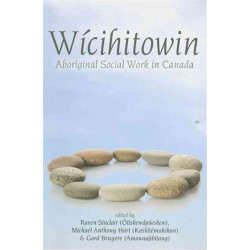
Wicihitowin: Aboriginal Social Work in Canada (Bog, Paperback / softback, Engelsk)
This is the first Canadian social work book written by First Nations, Inuit and Métis authors who are educators at schools of social work across Canada.
Levering: 6 - 9 hverdage -
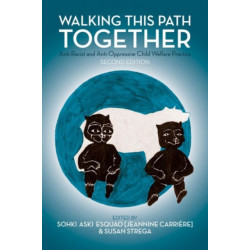
Walking This Path Together: Anti-Racist and Anti-Oppressive Child Welfare Practice (Bog, Paperback / softback, Engelsk)Levering: 6 - 9 hverdage
-
Out of the Depths, 4th Edition: The Experiences of Mi'kmaw Children at the Indian Residential School at Shubenacadie, Nova Scotia (Bog, Paperback / softback, Engelsk)
Powerful, first person accounts of the atrocities of the residential school system in Canada.
Levering: 6 - 9 hverdage