Harvard University Press Forlag
Visning: Type : Alle | Sprog : Engelsk | Format : Paperback / softback Der vises kun varer på engelsk
-
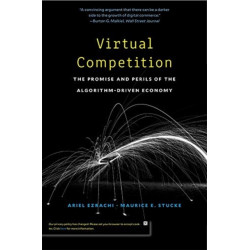
Virtual Competition: The Promise and Perils of the Algorithm-Driven Economy (Bog, Paperback / softback, Engelsk)Levering: 6 - 9 hverdage
-
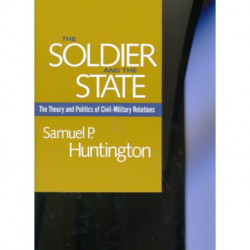
The Soldier and the State: The Theory and Politics of Civil–Military Relations (Bog, Paperback / softback, Engelsk)
In this classic work, Huntington challenges old assumptions and ideas on the role of the military in society. Stressing the... Læs mere
Levering: 6 - 9 hverdage -
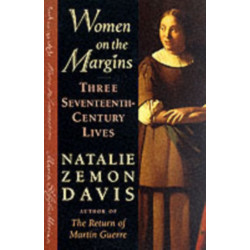
Women on the Margins: Three Seventeenth-Century Lives (Bog, Paperback / softback, Engelsk)
Davis retrieves three women’s lives from historical obscurity to give us a window onto the early modern world. Glikl bas Judah Leib, Marie de... Læs mere
Levering: 6 - 9 hverdage -
The Boy Who Would Be a Helicopter (Bog, Paperback / softback, Engelsk)
The Boy Who Would Be a Helicopter focuses on the challenge posed by the isolated child to teachers and classmates alike in the unique community of the classroom. It is... Læs mere
Levering: 6 - 9 hverdage -
The Lost Art of Finding Our Way (Bog, Paperback / softback, Engelsk)
Long before GPS and Google Earth, humans traveled vast distances using environmental clues and simple instruments. What is lost when technology substitutes for our innate... Læs mere
Levering: 6 - 9 hverdage -
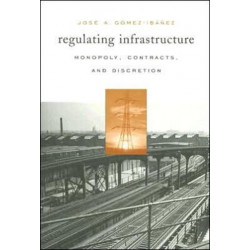
Regulating Infrastructure: Monopoly, Contracts, and Discretion (Bog, Paperback / softback, Engelsk)
This book addresses a vexing question about privatization: how can government fairly and effectively regulate “natural... Læs mere
Levering: Skaffevare (forvent 14 - 30 hverdage) -
The Post-Revolutionary Self: Politics and Psyche in France, 1750–1850 (Bog, Paperback / softback, Engelsk)
Goldstein explores understandings of the self in France from the later 18th century through the Revolution, culminating in the 1840s.... Læs mere
Levering: Skaffevare (forvent 14 - 30 hverdage) -
A Life Worth Living: Albert Camus and the Quest for Meaning (Bog, Paperback / softback, Engelsk)
Exploring themes that preoccupied Albert Camus--absurdity, silence, revolt, fidelity, and moderation--Robert Zaretsky portrays a moralist who... Læs mere
Levering: 6 - 9 hverdage -
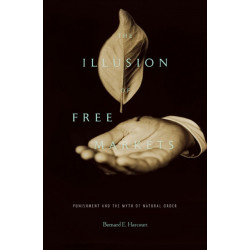
The Illusion of Free Markets: Punishment and the Myth of Natural Order (Bog, Paperback / softback, Engelsk)
It is widely believed that the free market is the best mechanism ever invented to efficiently allocate resources in society. This book argues that our faith in 'free markets' has severely distorted American politics and punishment practices.
Status: Skaffevare (forvent 3 - 8 uger) -
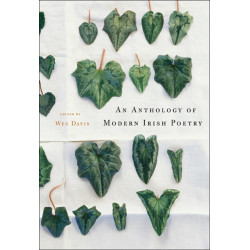
An Anthology of Modern Irish Poetry (Bog, Paperback / softback, Engelsk)
A representation of Irish poetic achievement in the twentieth and twenty-first centuries, from poets such as Austin Clarke and Samuel Beckett who were writing while Yeats and Joyce were still living.
Levering: 6 - 9 hverdage -
Ecology without Nature: Rethinking Environmental Aesthetics (Bog, Paperback / softback, Engelsk)
Morton argues that the chief stumbling block to environmental thinking is the image of nature most writers promote: they propose a new world... Læs mere
Levering: 6 - 9 hverdage