for at udvide
kategorilisten.
for at udvide
kategorilisten.
- Billed- og papbøger
-
Biografier, litteratur og litteraturstudier
-
Biografier, sande fortællinger og ikkefiktiv prosa
- Antologier: generelt
- Biografier om dyr
-
Biografier: generelle
- Biografi: eventyrere og opdagelsesrejsende
- Biografi: sociale medier
- Biografier: erhvervsliv og industri
- Biografier: filosofi og samfundsvidenskab
- Biografier: historie, politik og militære
- Biografier: kongelige
- Biografier: kunst og underholdning
- Biografier: religiøse og åndelige
- Biografier: skønlitterære forfattere
- Biografier: sport
- Biografier: videnskab, teknologi og medicin
- Biografiske samlinger
- Selvbiografier: generelle
- Dagbøger, breve og noter
- Erindringer
- Litterære essays
- Reportager og samlinger af journalistik
- Sande fortællinger
- Taler
- Klassiske tekster. Middelaldertekster
- Litteraturhistorie og litteraturkritik
- Poesi
- Skuespil
-
Biografier, sande fortællinger og ikkefiktiv prosa
- Børne- og ungdomsbøger
-
Børnebøger, ungdomsbøger og undervisningsmidler
- Bøger for de helt små børn, billedbøger, aktivitetsbøger
- Børn og unge: opslagsværker
- Børn og unge: papirvarer og andet materiale
-
Børn og unge: personlige og sociale spørgsmål
- Børn og unge: personlige og sociale emner: at leve med sygdom og kroniske tilstande
- Børn og unge: personlige og sociale emner: død og sorg
- Børn og unge: personlige og sociale emner: familiespørgsmål
- Børn og unge: personlige og sociale emner: følelser
- Børn og unge: personlige og sociale emner: handikap og specielle behov
- Børn og unge: personlige og sociale emner: krop og sundhed
- Børn og unge: personlige og sociale emner: kønsidentitet
- Børn og unge: personlige og sociale emner: mobning, vold og overgreb
- Børn og unge: personlige og sociale emner: narkotika og stofmisbrug
- Børn og unge: personlige og sociale emner: opvækst
- Børn og unge: personlige og sociale emner: pjækkeri og problemer i skolen
- Børn og unge: personlige og sociale emner: racisme og multikulturalisme
- Børn og unge: personlige og sociale emner: relationer (ikke familie)
- Børn og unge: personlige og sociale emner: selvbevidsthed og selvfølelse
- Børn og unge: personlige og sociale emner: sociale forhold
- Børn og unge: poesi, antologier, årbøger
-
Fagbøger for børn og unge: generel faglitteratur
- Fagbøger for børn og unge: almen viden
- Fagbøger for børn og unge: arbejde og arbejdsliv
- Fagbøger for børn og unge: biografier og selvbiografier
- Fagbøger for børn og unge: drama og scenekunst
- Fagbøger for børn og unge: folk og steder
- Fagbøger for børn og unge: historie
- Fagbøger for børn og unge: hobbyer, quizbøger og spil
- Fagbøger for børn og unge: humor og vittigheder
- Fagbøger for børn og unge: litteratur, bøger og forfattere
- Fagbøger for børn og unge: musik
- Fagbøger for børn og unge: natur og dyr, den naturlige verden
- Fagbøger for børn og unge: praktiske fag
- Fagbøger for børn og unge: religion og tro
- Fagbøger for børn og unge: sport og friluftsliv
- Fagbøger for børn og unge: tv og film
- Fagbøger for børn og unge: videnskab og teknologi: generelt
-
Skønlitteratur for børn og unge
- Skønlitteratur for børn og unge: action og spænding
- Skønlitteratur for børn og unge: biografisk skønlitteratur
- Skønlitteratur for børn og unge: familien og hjemmet
- Skønlitteratur for børn og unge: fantasy og magisk realisme
- Skønlitteratur for børn og unge: Folkedigtning
- Skønlitteratur for børn og unge: generel skønlitteratur
- Skønlitteratur for børn og unge: historiske fortællinger
- Skønlitteratur for børn og unge: humor
- Skønlitteratur for børn og unge: idrætshistorier
- Skønlitteratur for børn og unge: klassisk litteratur
- Skønlitteratur for børn og unge: naturfortællinger og dyrehistorier
- Skønlitteratur for børn og unge: noveller
- Skønlitteratur for børn og unge: sande fortællinger skrevet som skønlitteratur
- Skønlitteratur for børn og unge: skolehistorier
- Skønlitteratur for børn og unge: specielle udgivelser
- Undervisningsmidler
-
Databehandling og informationsteknologi
- Computere og hardware
- Databaser
- Datasikkerhed
- Digital livsstil
- Grafisk IT og digitale medier
- Informatik
- Informationsteknologi: generelle emner
- Operativsystemer
- Programmering / softwareudvikling
- Virksomhedssoftware
- Diverse sprog
- Erhverv
- Filosofi og religion
-
Geofag, geografi og miljøvidenskab
- Geografi
- Geovidenskab
- Miljø
- Regionalplanlægning og arealplanlægning
- Graphic novels, tegneserier, vittighedstegninger
-
Historie og arkæologi
- Arkæologi
-
Historie
- Afrikansk historie
- Amerikansk historie
- Asiatisk historie
- Australasiatisk historie og Stillehavshistorie
- Europæisk historie
- Generel historie og verdenshistorie
-
Historie: specielle begivenheder og emner
- Den kolde krig
- Folkemord og etnisk udrensning
- Genealogi, heraldik og navnehistorie
- Historie: Pest og epidemiske sygdomme
- Historisk geografi
- Industrialisering og industrihistorie
- Invasion og okkupation
- Kolonialisme og imperialisme
- Maritim historie
- Mundtlig historie
- National selvstændighed og uafhængighed, postkolonialisme
- Revolutioner, opstand og oprør
- Slaveri og afskaffelse af slaveri
- Socialhistorie og kulturhistorie
- Violence, intolerance and persecution in history
- Historie: teori og metoder
- Mellemøstens historie
- Militærhistorie
- Oldtidens historie
- Specifikke områders historie
- Hus, have og husdyr
-
Idræt og udendørsaktiviteter
- Anden idræt og andre konkurrenceaktiviteter
- Atletik og gymnastik og lignende idrætter
- boldsport / boldspil
- Friluftsaktiviteter
- Hestesport og dyresport
- Idræt: generelt
- Kampsport og selvforsvar
- Luftsport, motorsport, cykelsport
- Sportsfiskeri, jagt, skydning
- Vandsport og motion
- Vintersport
-
Jura
- International ret
- Jura, generelle emner
-
Love vedrørende særskilte jurisdiktioner og juridiske områder
- Arbejdsret: generelt
- Arveret, skifteret og testamenter
- Banklovgivning og finanslovgivning: generelt
- Erstatningsret, skader og kompensation
- Familieret
- Forfatningsret og statsret: generelt
- Immaterialret
- Lovgivning om IT og kommunikation
- Lovgivning om legater, stiftelser og fonde
- Lovgivning om skat og afgifter
- Miljølovgivning, transportlovgivning og planlægningsret: generelt
- Primære retskilder
- Privatret: generelt
- Retsvæsen: generelt
- Selskabsret, handelsret og konkurrencelov: generelt
- Strafferet: proces og forbrydelser
- Sundhedslovgivning og sociallovgivning
- Tingsret: generelt
- Underholdningslovgivning og medielovgivning
- Sharia
- Krop og sind
- Kultur
-
Kunst og kultur
- Arkitektur
- Fotografering og fotografier
- Industriel kunst, kommerciel kunst og design
- Kunst og kultur: generelle emner
-
Kunst: teknikker og motiver
- Dyr og natur i kunst (stilleben, landskab, marinemaleri osv.)
- Kunsthistorie
- Kunstnere, kunstmonografier
- Kunstteknikker og kunstprincipper
- Mennesker afbildet i kunst
- Menneskeskabte objekter i kunst (bylandskaber, maskiner osv.)
- Public art
- Religiøse emner i kunst
- Sekulære emner og hverdagsliv i kunsten
- Udstillingskataloger og kunstsamlinger
- Kunstformer og kunsthåndværk
-
Musik
- Diskografier og købeguider
- Komponister og sangskrivere
- Musikanmeldelser og musikkritik
- Musikere, sangere, bands og musikgrupper
- Musikgenrer
- Musikhistorie
- Musikinstrumenter
- Musikoptagelse og reproduktion
- Musikteknikker, instrumentskoler og musikundervisning
- Musikteori og musikvidenskab
- Noder, sangtekster og librettoer
-
Scenekunst
- Anden udøvende kunst
- Dans
- Film og biografer
-
Film, television, radio and performing arts genres
- Film, television, radio genres: Action, adventure, crime and thrillers
- Film, television, radio genres: Comedy and humour
- Film, television, radio genres: Drama
- Film, television, radio genres: Historical
- Film, television, radio genres: Science fiction, fantasy and horror
- Film, television, radio genres: superhero and comic book inspired
- History of Performing Arts
- Internet og digitale medier
- Radio
- Scenekunst: instruktion eller instruktører
- Skuespillere og performere
- Teater
- TV
-
Kvalifikator for aldersniveau og interesser
-
Alderstrin / læseniveau
- Alderstrin: fra 10 år
- Alderstrin: fra 11 år
- Alderstrin: fra 12 år
- Alderstrin: fra 13 år
- Alderstrin: fra 14 år
- Alderstrin: fra 15 år
- Alderstrin: fra 16 år
- Alderstrin: fra 17 år
- Alderstrin: fra 3 år
- Alderstrin: fra 4 år
- Alderstrin: fra 5 år
- Alderstrin: fra 6 år
- Alderstrin: fra 7 år
- Alderstrin: fra 8 år
- Alderstrin: fra 9 år
- For begynderlæsere (voksne)
- Læseletbøger
- Beregnet for specifikke målgrupper
- Højtider, begivenheder og årstider
- Indeholder eksplicit materiale
- Litteratur fra et land, et territorium eller en region (bruges IKKE til setting)
- Relateret til livets faser
-
Relateret til specifikke grupper og kulturer
- Relateret til etniske minoriteter og grupper
- Relateret til homofile, lesbiske og biseksuelle
- Relateret til religiøse grupper
- Relateret til specifikke kulturelle interesser
- Relateret til transseksuelle
- Relates specifically to the life experience of women or girls
- Relating to particular relationship, family or kinship types
- Relating to people with visible or hidden disabilities, impairments or conditions
-
Alderstrin / læseniveau
-
Kvalifikatorer: geografi
- Afrika
- Amerika
- Asien
- Australasia, Oceania, Pacific Islands, Atlantic Islands
- Europa
- Other geographical groupings: Oceans & seas, historical, political etc
- Verden
- Verdensrummet, planeter og steder i det ydre rum
- Kvalifikatorer: stilretninger
-
Kvalifikatorer: tidsperiode
- 1500 til i dag
- 1–1500
- Forhistorisk tid
- Før vor tidsregning
- Kvalifikatorer: Uddannelse og uddannelsesniveauer
-
Livsstil, hobby og fritid
-
Antikviteter og samleobjekter
- Antikke møbler
- Antikviteter og samleobjekter: billeder, tryk og kort
- Antikviteter og samleobjekter: bøger, manuskripter, tryksager
- Antikviteter og samleobjekter: guld, sølv og andre metaller (andet end smykker)
- Antikviteter og samleobjekter: keramik og glas
- Antikviteter og samleobjekter: legetøj, spil, dukker og modeller
- Antikviteter og samleobjekter: smykker
- Militæreffekter, våben og rustninger
- Diverse produkter
- Havearbejde
- Hjemmet og vedligeholdelse af huset
- Hobbyer, quiz og spil
- Humor
- Husflid, kunsthåndværk og håndarbejde
- Livsstil og personligt udseende: Guides
- Lokalhistorie og slægtshistorie
-
Mad og drikke osv.
- Generel madlavning og opskrifter
- Hurtig og enkel mad
- Kogebøger af kendte personer
- Kogebøger efter ingrediens
- Kogebøger for selskaber
- Kogebøger ved hjælp af specielle køkkenredskaber eller køkkenudstyr
- Kogebøger: Specielle retter og menuer
- Mad og drikke: drikke
- Nationale og regionale køkkener
- Sparemad
- Sund mad og helsekost
- Vegetarisk madlavning
-
Natur: for alment interesserede læsere
- Astronomi og verdensrummet: for alment interesserede læsere
- Bondegårdsdyr og arbejdsdyr: For alment interesserede læsere
- Dinosaurer og forhistorisk tid: for alment interesserede læsere
- Husdyr og kæledyr
- Jorden: naturhistorie: for alment interesserede læsere
- Landsbyer, landboliv: for alment interesserede læsere
- Lyde fra natuen
- Nationalparker og naturreservater: for alment interesserede læsere
- Sten, mineraler og fossiler: for alment interesserede læsere
- Træer, vilde blomster og planter: for alment interesserede læsere
-
Vilde dyr: for alment interesserede læsere
- Vilde dyr: dyr, som lever i vand: for alment interesserede læsere
- Vilde dyr: fugle og ornitologi: for alment interesserede læsere
- Vilde dyr: insekter, sommerfugle og edderkopper: for alment interesserede læsere
- Vilde dyr: pattedyr: for alment interesserede læsere
- Vilde dyr: reptiler og amfibier: for alment interesserede læsere
- Zoologiske haver og naturparker: for alment interesserede læsere
-
Rejser og ferie
- Kort og atlas
-
Rejsebøger og rejseguides
- Rejsebøger og rejseguides: aktiv ferie
- Rejsebøger og rejseguides: Ferie med børn / familieferier
- Rejsebøger og rejseguides: Forlystelsesparker og tivoli
- Rejsebøger og rejseguides: Hoteller og overnatning
- Rejsebøger og rejseguides: Krydstogter
- Rejsebøger og rejseguides: Museer, historiske steder, gallerier osv.
- Rejsebøger og rejseguides: Oplevelsesferier
- Rejsebøger og rejseguides: Restauranter, cafeer, værtshuse, barer
- Rejsebøger og rejseguides: Økoturisme, «grøn» turisme
- Rejsebøger: budgetrejser
- Rejsebøger: rejseruter
- Rejser: råd og tips: generelt
- Rejseskildringer
- Steder og mennesker: generelle værker og fotografiske værker
- Transport: for alment interesserede
-
Antikviteter og samleobjekter
-
Lægevidenskab og sygepleje
- Alternativ medicin
- Kirurgi
- Klinisk medicin og intern medicin
- Lægevidenskab: generelle emner
-
Medicinske discipliner
- Akutmedicin og førstehjælp
- Anæstesiologi
- Billeddiagnostik
- Farmakologi
- Geriatri
- Idrætsskader og idrætsmedicin
- Klinisk psykologi
- Miljømedicin
- Neurologi og klinisk neurofysiologi
- Nuklearmedicin
- Obstetrik og gynækologi
- Odontologi
- Palliativ medicin
- Patologi
- Psykiatri
- Pædiatri
- Retsmedicin
- Terapi og lægemidler
- Medicinske studievejledninger, læsevejledninger og referencemateriale
- Præklinisk medicin: basale fag
- Sygepleje og paramedicinske fag
- Veterinærmedicin
- Mad og vin
-
Matematik og naturvidenskab
- Astronomi, sted og tid
- Biologi og biovidenskab
- Fysik
- Kemi
- Matematik
- Naturvidenskab: generelle emner
- Musik og lydbøger
- Naturen
- Naturvidenskab
- Paperbacks
- Reference, information og tværfaglige emner
- Rejse og geografi
- Samfund
-
Samfund og samfundsvidenskab
- Krigsførelse og forsvar
-
Politik og regering
- Internationale relationer
- Myndighed: kommune, by
- Offentlig administration
- Politisk aktivisme
- Politisk forskning og politisk teori
- Politisk kontrol og frihed
- Politisk korruption
-
Politiske ideologier
- Anarkisme
- Fascisme og nazisme
- Konservatisme og højreorienterede demokratiske ideologier
- Liberalisme og centrumsorienterede demokratiske ideologier
- Marxisme og kommunisme
- Nationalisme
- Populisme / populistiske ideologier og bevægelser
- Religiøse og teokratiske ideologier
- Socialisme og venstreorienterede ideologier
- Politiske partier
- Politiske strukturer og processer
- Regionale myndigheder og andre lokale myndigheder
- Sammenlignende politik
- Statslig myndighed, national myndighed føderal myndighed
-
Psykologi
- Alderdommens psykologi
- Arbejdspsykologi og erhvervspsykologi
- Børnepsykologi og udviklingspsykologi
- Eksperimentel psykologi
- Familiepsykologi
- Fysiologisk psykologi, neuropsykologi og biopsykologi
- Kognitiv psykologi
- Kriminalpsykologi og retspsykologi
- Kønspsykologi
- Parapsykologiske studier
- psykologi (abnormal psychology)
- Psykologi: bevidsthedstilstande
- Psykologi: følelser
- Psykologi: seksuel adfærd
- Psykologi: selvet, jeget, identitet, personlighed
- Psykologisk metodologi
- Psykologisk teori og skoleretninger
- Socialpsykologi og gruppepsykologi
-
Samfund og kultur: generelt
- Folketro og kontroversiel viden
- Kulturstudier og medievidenskab
- Sociale grupper
-
Sociale og etiske spørgsmål
- Boligspørgsmål og hjemløshed
- Control, privacy and safety in society
- Dyr og samfund
- Etiske dilemmaer og debatter
- Fattigdom og utryghed
- Flygtninge og politisk asyl
- Forbrugerisme
- Fremtidsprognoser, fremtidsstudier
- Handicap: sociale aspekter
- Integration
- Menneskehandel
- Migration, immigration og emigration
- Sex, seksualitet, parforhold og samfund: generelt
- Social diskriminering og ligestilling
- Social mobilitet
- Sociale holdninger
- Sociale konsekvenser af katastrofer
- Sundhed, sygdom og afhængighed: sociale aspekter
- Vold i samfundet
-
Sociale tjenester og velfærd, kriminologi
-
Kriminalitet og kriminologi
- Årsager til og forebyggelse af kriminalitet
- Gadekriminalitet
- Kriminalefterforskning
- Kriminelle
- Narkotikahandel og narkotikasmugling
- Organiseret kriminalitet
- Prøvetidsordninger
- Pønologi, læren om straf og strafferetlige sanktioner og deres virkning
- Viktimologi og ofre for kriminalitet
- Violent crimes
- Økonomisk kriminalitet
- Sociale tjenester og social velfærd
-
Kriminalitet og kriminologi
- Sociologi og antropologi
-
Uddannelse. Pædagogik
- Åben læring, fjernundervisning
- Højere uddannelse
- Karrierevejledning
- Pasning af mindre børn
- Pædagogisk psykologi
- Skoler
- Socialpædagogik
- Specialundervisning
- Uddannelsesadministration og uddannelsesorganisering
- Uddannelsesfilosofi og uddannelsesteori
- Uddannelseshistorie
- Uddannelsesstrategier og uddannelsespolitik
- Uddannelsessystemer og uddannelsesstruktur
- Undervisning i et specifikt fag
- Undervisningsfærdigheder og undervisningsmetoder
- Voksenundervisning, videreuddannelse.
- Skole- og lærebøger
-
Skønlitteratur og relaterede emner
- Biografisk skønlitteratur
- Bøger om bøger
- Erotisk skønlitteratur
- Familieromaner
- Fantasy
- Gysere
- Historiske romaner
- Humoristiske romaner
- Krimier og mysterier
- Livsstilslitteratur
- Myter og legender fortalt som skønlitteratur
- Religiøs og spirituel skønlitteratur
- Romantisk skønlitteratur
- Science fiction
- Skønlitteratur: generelt
-
Skønlitteratur: narrative temaer
- Narrative temaer: død, sorg, tab
- Narrative temaer: fornemmelse for sted
- Narrative temaer: følelser og indre liv
- Narrative temaer: kærlighed og parforhold
- Narrative temaer: Mangfoldighed, ligestilling, integration
- Narrative temaer: miljøspørgsmål
- Narrative temaer: politik
- Narrative temaer: Sociale forhold
- Narrative temaer: sundhed og sygdom
- Narrative temaer: udviklingsromaner
- Narrative theme: displacement, exile, migration
- Narrative theme: Identity / belonging
- Narrativer temaer: Rejser
- Narrativt tema: krig og konflikt
- Skønlitteratur: specielle litterære former
- Slægtsromaner
- Spekulativ skønlitteratur
- Sport
- Spændingslitteratur
- Thrillere / spændingsromaner
- Skønlitteratur på dansk
- Sport
-
Sprog og lingvistik
- Lingvistik
- Sprog: opslagsværker og generelle værker
- Sprogundervisning og sprogindlæring
-
Sprogkvalifikatorer
- Afrikanske sprog
- Afroasiatiske sprog
- Amerikanske urfolks sprog
- Indiske, østindoeuropæiske og dravidiske sprog
- Indoeuropæiske sprog
- Oceanesiske- og austronesiske sprog
- Uralske sprog, altaiske sprog, palæosibiriske sprog
- Øst- og sydøstasiatiske sprog
- Øvrige sprog
-
Sundhed, relationer og personlig udvikling
-
Familie og sundhed
-
Familie og parforhold: Råd og vejledning
- Adoption og plejebørn: råd og vejledning
- Dating, parforhold, samliv og ægteskab: råd og vejledning
- Relationer mellem generationer: Råd og vejledning
- Relationships: friends / peer groups
- Separation og skilsmisse: råd og vejledning
- Sex og seksualitet: råd og vejledning
- Singleliv: rådgivning og problemer
- Ufrivillig barnløshed: råd og vejledning
- Forældreskab: Råd og vejledning
-
Håndtering af personlige problemer
- Coping with body image issues
- Coping with bullying, coercion and harassment
- Håndtering af afhængighed
- Håndtering af aldring
- Håndtering af angst, fobier og andre mentale tilstande
- Håndtering af død og sorg
- Håndtering af ensomhed
- Håndtering af handikap
- Håndtering af mishandling/overgreb
- Håndtering af narkomani og alkoholisme
- Håndtering af neuroudviklingsforstyrrelser
- Håndtering af psykiske problemer
- Håndtering af spiseforstyrrelser
- Håndtering af stress
- Håndtering af sygdom og diagnoser
- Håndtering af søvnproblemer
- Personlig sikkerhed
- Pleje og omsorg i hjemmet
- Populærmedicin og sundhed
- Træning og kostvaner
-
Familie og parforhold: Råd og vejledning
-
Selvhjælp og personlig udvikling
- Bolig og arbejde i udlandet: praktiske råd
- Bolig og ejendomme for private. Køb/salg og juridiske spørgsmål
- Erhvervsvejledning og uddannelsesvejledning
- Forbrugerrådgivning
- Love, statsborgerskab og rettigheder for lægmand
- Læsning og skrivning for voksne: vejledninger og håndbøger
- Matematik og regning for voksne: vejledninger og håndbøger
- Pensionisttilværelsen
- Personlig økonomi
- Populærpsykologi
- Practical advice: Life hacks / handy tips
- Råd om karriere og opnåelse af succes
- Selvforsyning og grøn livsstil
- Sociale færdigheder og håndtering af andre mennesker
- Sind, krop, sjæl
-
Familie og sundhed
- Tegneserier og blade
-
Teknologi, ingeniørvidenskab og landbrug
- Anden anvendt videnskab og teknologi
- Biokemisk teknik
- Byggeteknik, landmåling og byggeri
- Elektronik og kommunikationsteknik
- Energiteknik
- Industriel kemi og produktionsteknologi
- Landbrug og havbrug
- Maskinteknik og materialer
- Miljøvidenskab, miljøteknik og miljøteknologi
- Teknologi: generelle emner
- Transportteknologi og transporterhverv
-
Økonomi, finans, erhvervsliv og ledelse
-
Erhvervsliv, virksomheder og ledelse
- Bestyrelse og selskabsledelse. Roller og ansvar for generalforsamling, bestyrelse, direktører
- E-handel: forretningsmæssige aspekter
- Ejerskab og selskabsformer
- Entreprenørskab
- Erhvervslivet og miljøet. Bæredygtig virksomhed
- Erhvervslivsstudier: generelt
- Etik og socialt ansvar i virksomheder
- Forretningsstrategier
- Innovation i virksomheder
- Internationale virksomheder
- Kommunikation og præsentation i erhvervslivet
- Konkurrence i erhvervslivet
- Konsulenttjenester og tilskud til virksomheder
- Kontorer og arbejdspladser
- Ledelse og ledelsesteknikker
- Matematik for virksomhedsøkonomer og forretningssystemer
- Operationsanalyse
- Organisationsteori og organisationspsykologi
- Salg og marketing
- Specifikke selskabers historie / erhvervshistorie
- Virksomhedsforhandlinger
- Finans og regnskab
-
Industri og industrielle studier
- Arbejdsforhold, sundhed og sikkerhed
- Byggeri, anlægsindustri og sværindustri
- Detailhandel og grossistvirksomhed
- Energiindustri
- Landbrugserhverv og primære erhverv
- Medier, underholdning, informationsbranchen og kommunikationserhverv
- Offentlige tjenester og offentlig sektor
- Produktionsindustri
- Serviceerhverv
- Transportindustri
-
Økonomi
- Arbejdsmarkedsøkonomi
- Erhvervsøkonomi
- International økonomi
- Makroøkonomi
- Mikroøkonomi
- Politisk økonomi
- Populærøkonomi
- Specifikke sektorers økonomi
- Udviklingsøkonomi og vækstøkonomier
- Økonometri og økonomisk statistik
- Økonomi og adfærd
- Økonomisk historie
- Økonomisk teori og filosofi
- Økonomisk vækst
- Økonomiske kriser og finansielle kriser og katastrofer
- Økonomiske prognoser
- Økonomiske systemer og strukturer
-
Erhvervsliv, virksomheder og ledelse
Biografier
Kategori: Biografier : Kunst: teknikker og motiver

-
Memorials of Edward Burne-Jones (Bog, Paperback / softback, Engelsk)
A second generation Pre-Raphaelite and founder member of the Morris firm, Sir Edward Coley Burne-Jones (1833–98) influenced and exemplified the Aesthetic Movement, and... Læs mere
Levering: Print on Demand (forvent 14 - 30 hverdage) -
Memorials of Edward Burne-Jones (Bog, Paperback / softback, Engelsk)
A second generation Pre-Raphaelite and founder member of the Morris firm, Sir Edward Coley Burne-Jones (1833–98) influenced and exemplified the Aesthetic Movement, and... Læs mere
Levering: Print on Demand (forvent 14 - 30 hverdage) -
The Life and Letters of Joseph Severn (Bog, Paperback / softback, Engelsk)
Joseph Severn (1793–1879), painter and British consul at Rome, is best remembered for his close friendship with the poet John Keats. Originally published in 1892,... Læs mere
Levering: Print on Demand (forvent 14 - 30 hverdage) -
An Artist's Reminiscences (Bog, Paperback / softback, Engelsk)
Walter Crane (1845–1915) is best remembered as the illustrator of whimsical stories for children, but in fact he worked in many styles and genres throughout his life. This... Læs mere
Levering: Print on Demand (forvent 14 - 30 hverdage) -
Clarice Cliff: The inspiration behind The Colour Room (Bog, Paperback / softback, Engelsk)
The first full-length biography of the Art Deco potter Clarice Cliff
Levering: Print on Demand (forvent 14 - 30 hverdage) -
The Woman with the Artistic Brush: Life History of Yoruba Batik Nike Olaniyi Davies (Bog, Paperback / softback, Engelsk)
Presents the life history of Nike Davies, one of the few African women known nationally and internationally in... Læs mere
Levering: Skaffevare (forvent 14 - 30 hverdage) -
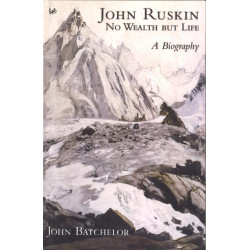
John Ruskin: No Wealth But Life (Bog, Paperback / softback, Engelsk)
Ruskin, whose life spanned almost a century from 1819 to 1900, was one of the most influential cultural and intellectual figures of his age.
Levering: Print on Demand (forvent 14 - 30 hverdage) -
Gwen Raverat: Friends, Family and Affections (Bog, Paperback / softback, Engelsk)
'The best of these Darwins is that they are cut out of rock - three taps is enough to convince one how immense is their solidarity.' So wrote Virginia Woolf... Læs mere
Levering: Print on Demand (forvent 14 - 30 hverdage) -
Experiment and Metaphysics: Towards a Resolution of the Cosmological Antinomies (Bog, Paperback / softback, Engelsk)
Edgar Wind was one of the most distinguished art historians and philosophers of the twentieth century. He made crucial... Læs mere
Levering: Skaffevare (forvent 14 - 30 hverdage) -
Wanderings of a Wayward Woodcarver: Stories from a Life in Wood (Bog, Paperback / softback, Engelsk)Levering: Skaffevare (forvent 14 - 30 hverdage)
-
Samuel Beckett and the Arts: Music, Visual Arts and Non-Print Media (Bog, Paperback / softback, Engelsk)
This book, first published in 1999, addresses Beckett’s visual and musical sensibilities, and examines his visionary use of such diverse modes of creative expression as stage, radio, television and film, when his medium was the written word.
Levering: Skaffevare (forvent 14 - 30 hverdage) -
In Search of a Prophet: A Spiritual Journey with Kahlil Gibran (Bog, Paperback / softback, Engelsk)Levering: Print on Demand (forvent 14 - 30 hverdage)