Burleigh Dodds Science Publishing Limited Forlag
-
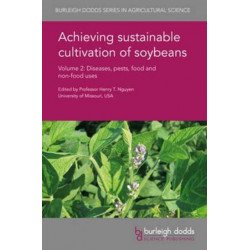
Achieving Sustainable Cultivation of Soybeans Volume 2: Diseases, Pests, Food and Other Uses (Bog, Hardback, Engelsk)
The second volume in this two-volume collection focusses on ways of improving the management of pests and diseases of soybean. It also reviews research on improving the nutritional value and shelf-life of soybeans as well as its uses in animal feed and biodiesel.
Status: Skaffevare (forvent 3 - 8 uger) -
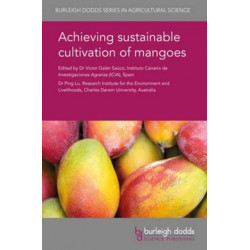
Achieving Sustainable Cultivation of Mangoes (Bog, Hardback, Engelsk)
Mangoes are grown widely across Asia, Africa, the Americas and Southern Europe. This volume summarises the wealth of recent research on enhancing mango... Læs mere
Status: Skaffevare (forvent 3 - 8 uger) -
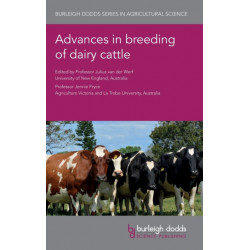
Advances in Breeding of Dairy Cattle (Bog, Hardback, Engelsk)
Dairy cattle breeding faces challenges such as reduced genetic diversity and the improvement of production over functional traits. This collection reviews the latest research on genetics, genetic diversity and advanced methods of genetic evaluation and selection.
Status: Skaffevare (forvent 3 - 8 uger) -
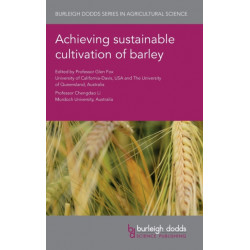
Achieving Sustainable Cultivation of Barley (Bog, Hardback, Engelsk)
This collection reviews advances in understanding barley physiology and genetics, molecular breeding and cultivation techniques, as well as disease and weed management. It also discusses advances in improving barley for end uses such as malting and brewing.
Status: Skaffevare (forvent 3 - 8 uger) -
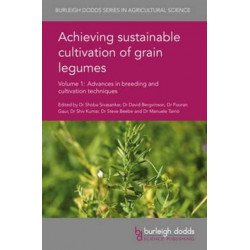
Achieving Sustainable Cultivation of Grain Legumes Volume 1: Advances in Breeding and Cultivation Techniques (Bog, Hardback, Engelsk)
Grain legumes are widely seen as a key food security crop in the developing world. This major... Læs mere
Status: Skaffevare (forvent 3 - 8 uger) -
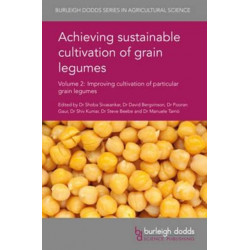
Achieving Sustainable Cultivation of Grain Legumes Volume 2: Improving Cultivation of Particular Grain Legumes (Bog, Hardback, Engelsk)
The second volume in this collection focusses on improving the cultivation of particular grain legumes, starting with common beans, lentils, soybeans and groundnuts. A second group of chapters discusses cowpea, faba beans and pigeonpea.
Status: Skaffevare (forvent 3 - 8 uger) -
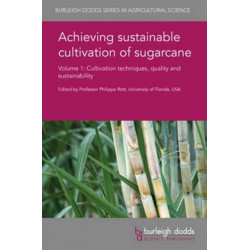
Achieving Sustainable Cultivation of Sugarcane Volume 1: Cultivation Techniques, Quality and Sustainability (Bog, Hardback, Engelsk)
Sugarcane is the source of 80% of the world’s sugar. This volume reviews key research on improving sugarcane production, focussing on enhancing cultivation techniques such as irrigation and nutrient management as well as measuring and improving sustainability.
Status: Skaffevare (forvent 3 - 8 uger) -
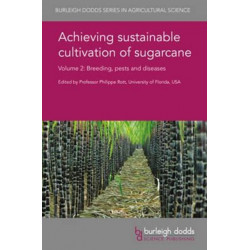
Achieving Sustainable Cultivation of Sugarcane Volume 2: Breeding, Pests and Diseases (Bog, Hardback, Engelsk)
Sugarcane cultivation faces a range of challenges to improve yields sustainably. This volumes reviews how these challenges can be addressed through developments in breeding as well as better management of pests and diseases.
Status: Skaffevare (forvent 3 - 8 uger) -
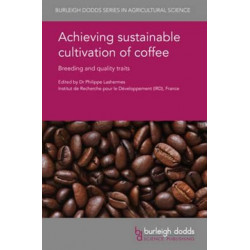
Achieving Sustainable Cultivation of Coffee: Breeding and Quality Traits (Bog, Hardback, Engelsk)
Coffee is one of the most widely-traded commodities in the world. This volume summarises research addressing key challenges in coffee cultivation, including genetic diversity and breeding improved varieties. Other chapters discuss how to measure and improve quality traits.
Status: Skaffevare (forvent 3 - 8 uger) -
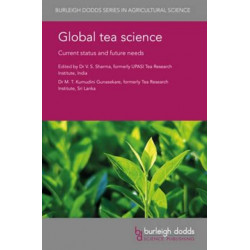
Global Tea Science: Current Status and Future Needs (Bog, Hardback, Engelsk)
Tea is the most widely-consumed beverage in the world. Tea cultivation faces a range of challenges in improving yields. The various parts of the book review ways of addressing these challenges, from breeding and cultivation to plant protection and improving sustainability.
Status: Skaffevare (forvent 3 - 8 uger) -
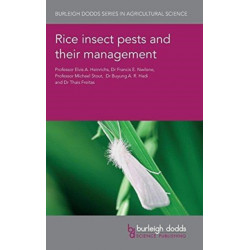
Rice Insect Pests and Their Management (Bog, Hardback, Engelsk)Status: Skaffevare (forvent 3 - 8 uger)
-
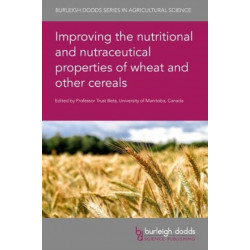
Improving the Nutritional and Nutraceutical Properties of Wheat and Other Cereals (Bog, Hardback, Engelsk)
This volume reviews the key research on the nutritional components of cereals, their interactions with the gut, the way processing can inhibit or optimise their benefits and what it means for developing the next generation of nutritionally-enhanced cereal products.
Status: Skaffevare (forvent 3 - 8 uger)